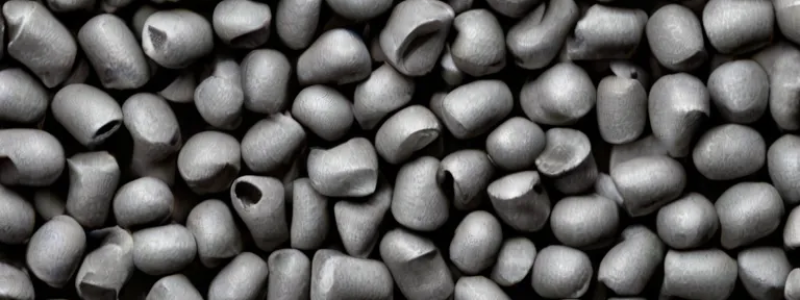
Japan's second-largest steelmaker, JFE Steel, has successfully produced direct-reduced iron from iron ore using fossil-free hydrogen for the first time in the country. During a pilot trial in late June 2026, approximately one tonne of iron was produced without using coal as the reducing agent. The achievement marks another step towards reducing carbon emissions from the steel industry.
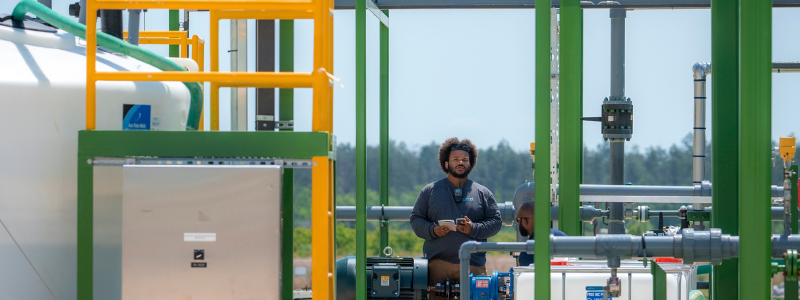
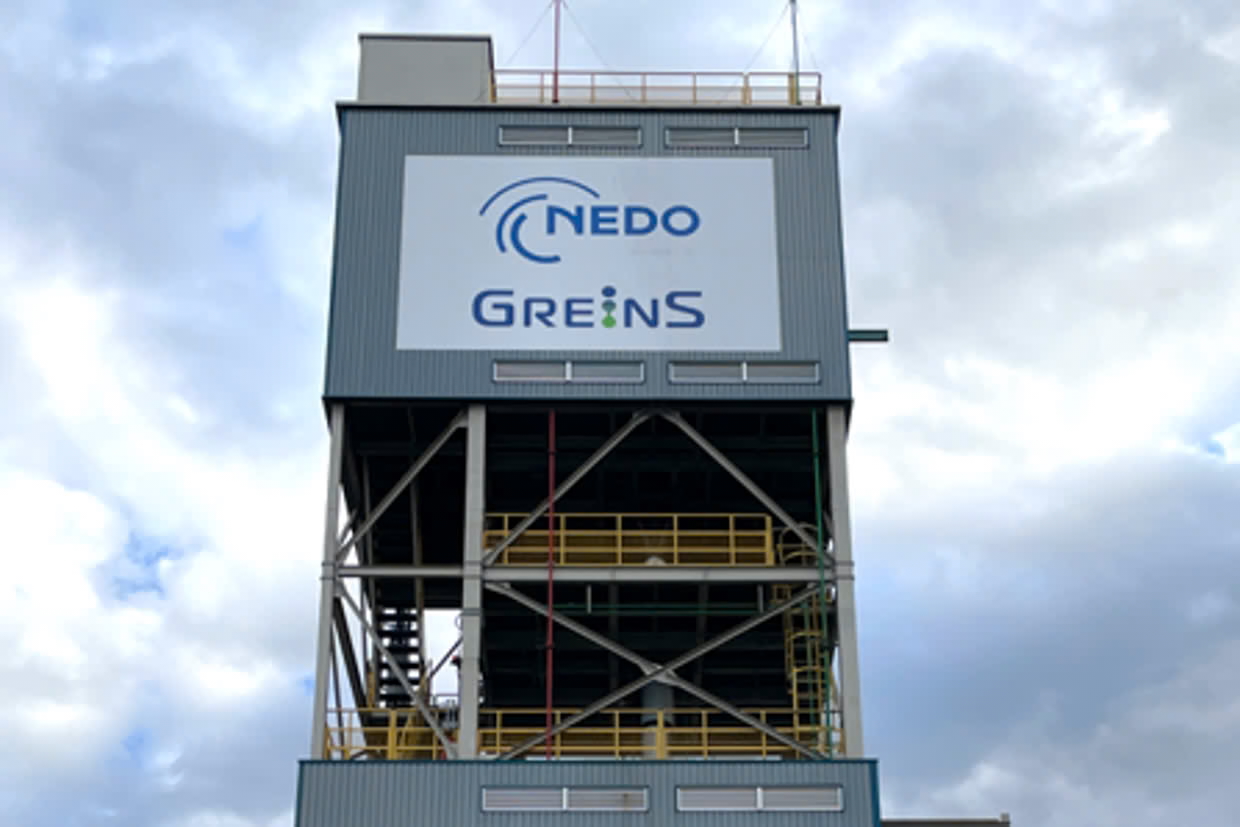
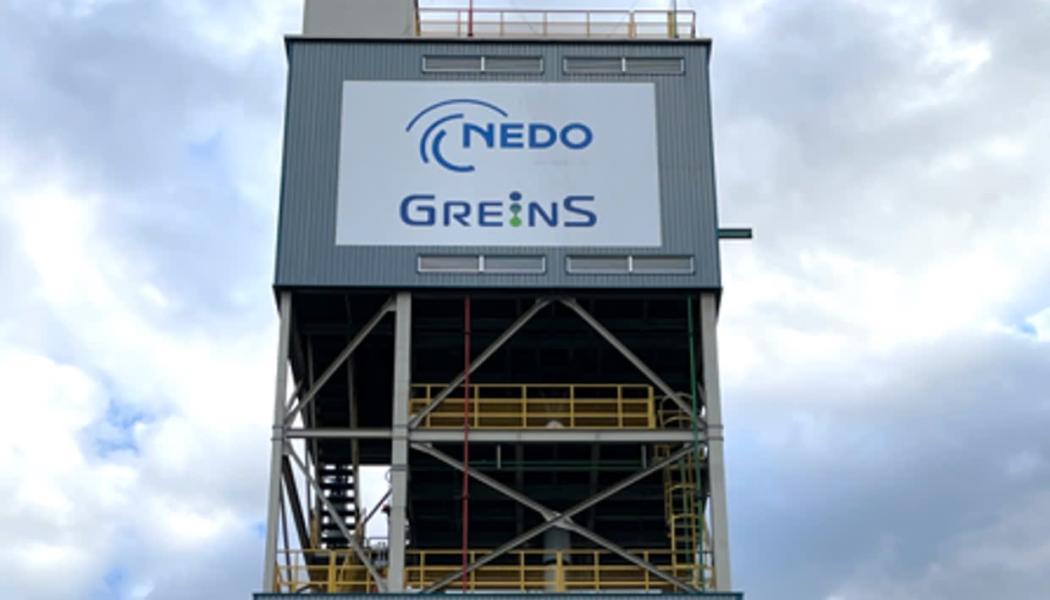
The demonstration took place between 29 June and 1 July 2026 at JFE Steel's pilot facility in Chiba, east of Tokyo.
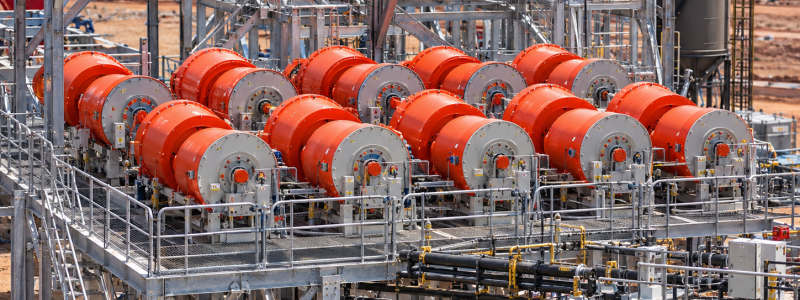
According to Hydrogen Insight and the Japanese industrial research consortium GREINS, the process used fossil-free hydrogen generated by a 1.5-megawatt electrolyser.
The proton exchange membrane (PEM) electrolyser produces hydrogen by splitting water using renewable electricity.
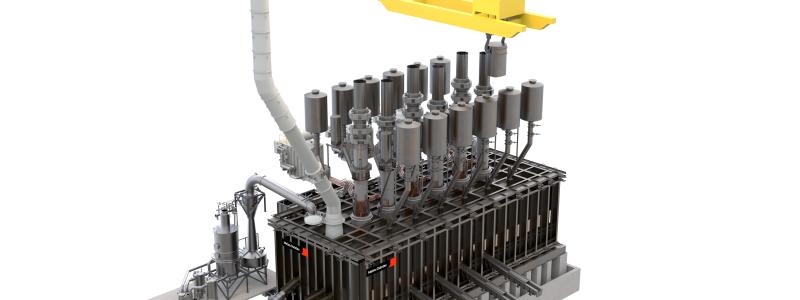
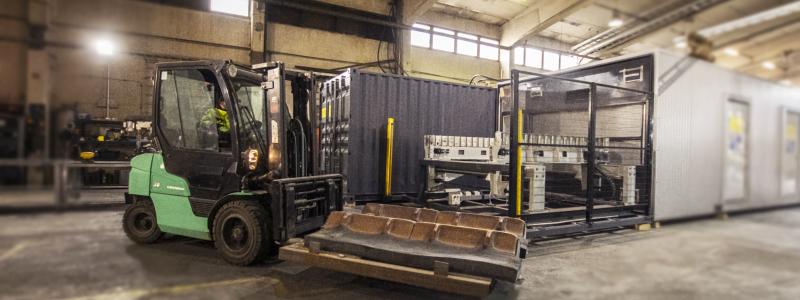
The direct-reduced iron (DRI) pilot facility has a production capacity of approximately 15 kilograms per hour.
Earlier tests at the facility had used conventional hydrogen produced from fossil fuels, with operations beginning in December 2024.
Hydrogen offers an alternative to coal
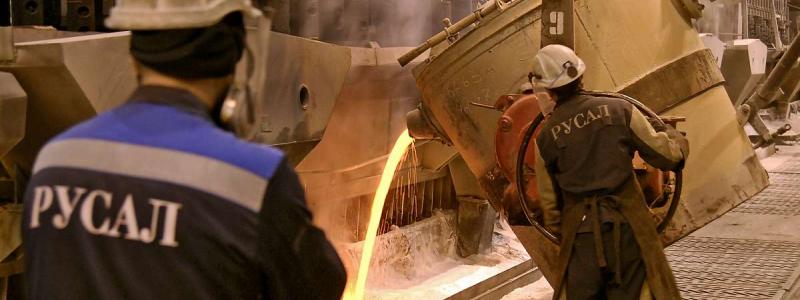
Conventional ironmaking relies primarily on blast furnaces, where coke serves both as a fuel and as a reducing agent to remove oxygen from iron ore.
This process generates substantial carbon dioxide emissions.
In hydrogen-based direct reduction, hydrogen reacts with oxygen in the iron ore to produce water vapour instead of carbon dioxide.
The resulting direct-reduced iron can subsequently be melted and processed into steel, for example in an electric arc furnace.
When both hydrogen production and steelmaking electricity are powered by low-carbon energy, the overall emissions can be substantially lower than those associated with conventional blast furnace operations.
The technology has already been demonstrated in Sweden.
In 2021, the Swedish HYBRIT consortium became the first to produce fossil-free hydrogen-reduced iron and deliver steel made using the process.
The Swedish initiative provided an early demonstration of the possibility of replacing fossil-based reducing agents with hydrogen in iron production.
High costs remain a major obstacle
JFE Steel participates in GREINS, a Japanese government-supported research programme focused on developing technologies to reduce the steel industry's dependence on fossil fuels.
The successful demonstration confirms that green hydrogen can be used in the direct reduction process at pilot scale.
However, it does not mean that commercial production has begun.
One of the main challenges is the cost of green hydrogen, which remains significantly higher than that of conventional hydrogen produced from fossil fuels.
The availability of large quantities of renewable electricity will also be crucial for future industrial expansion.
Several European steelmakers have postponed or scaled back hydrogen-related investment plans because of high energy costs and uncertain market conditions.
Others continue to develop hydrogen-based ironmaking facilities as part of their long-term decarbonisation strategies.
For JFE Steel, the next challenge will be demonstrating that the process can operate at a substantially larger scale while achieving commercially competitive production costs.
The pilot results nevertheless provide further technical evidence that hydrogen-based direct reduction could become an important alternative to coal-based ironmaking.
Sources: Hydrogen Insight, Polly Martin, 31 July 2026; JFE Steel and GREINS, announcements dated 31 July 2026; Japan's New Energy and Industrial Technology Development Organisation (NEDO).
I