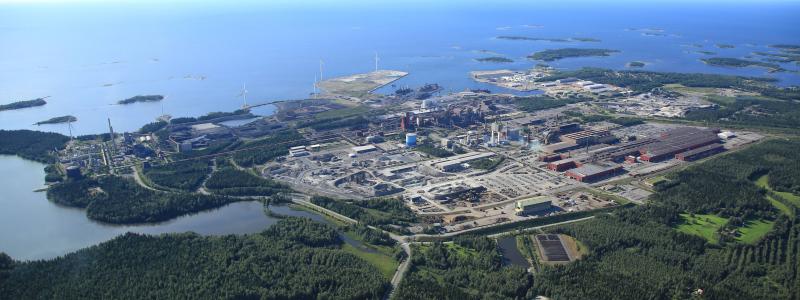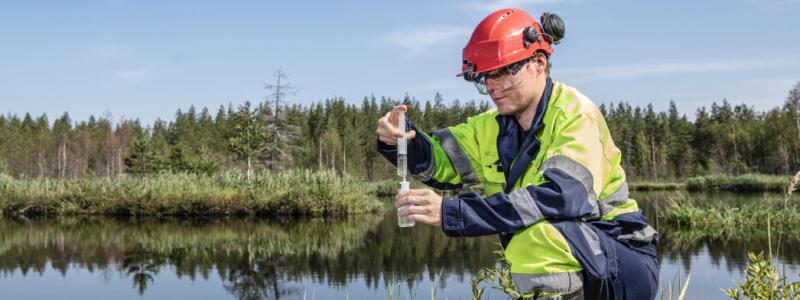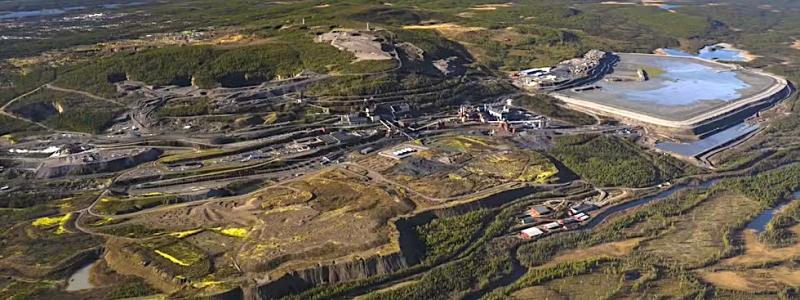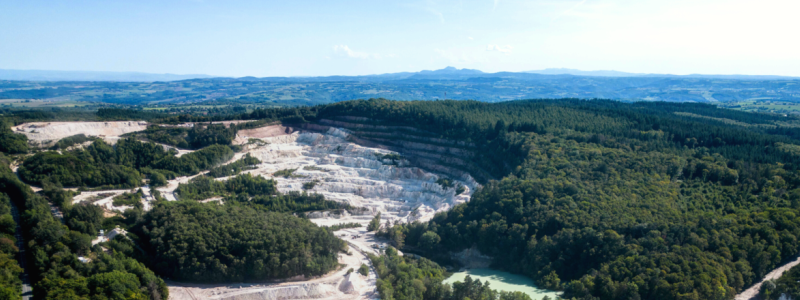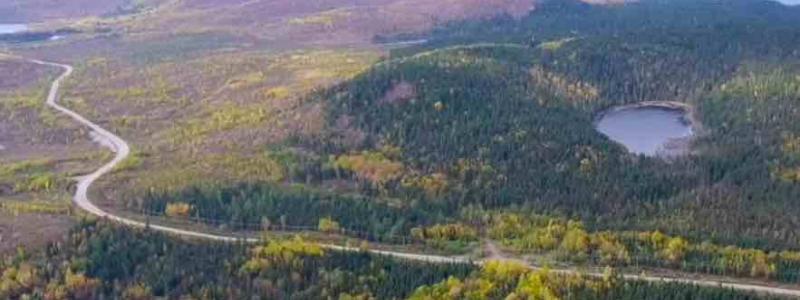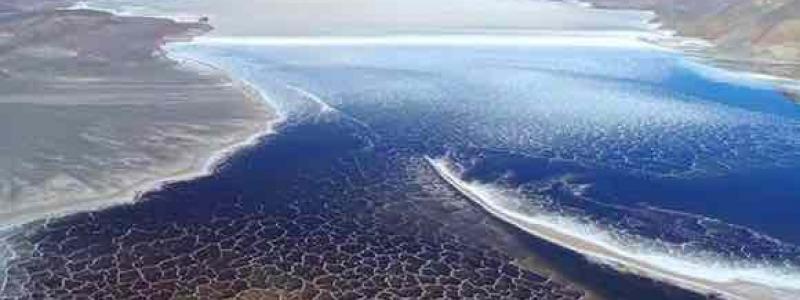
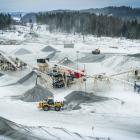
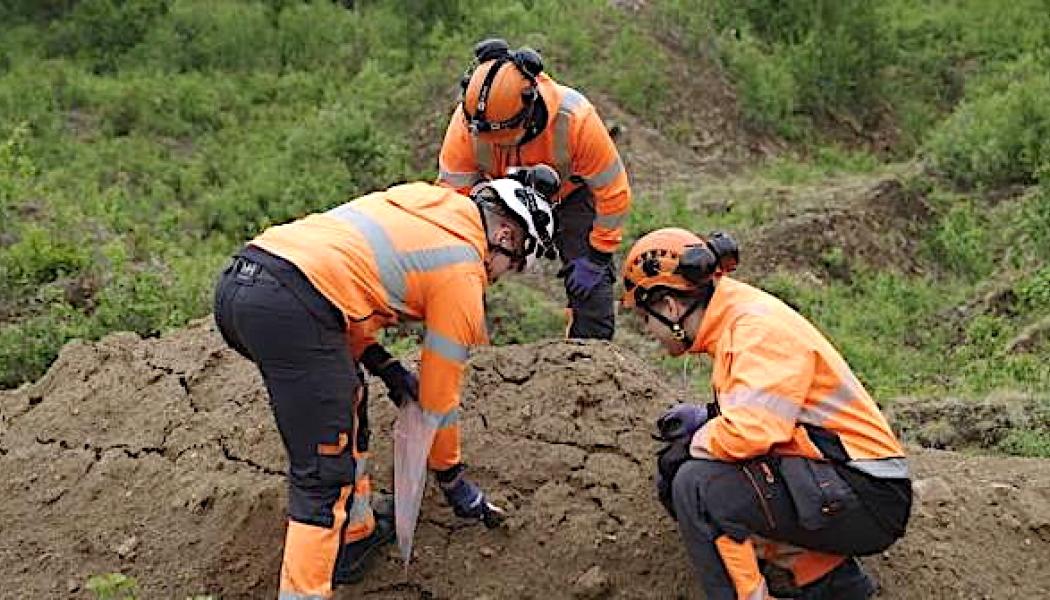
The Finnish state is increasing funding for the Sokli mining project in Savukoski, eastern Lapland, even though the project still lacks valid environmental and water permits.
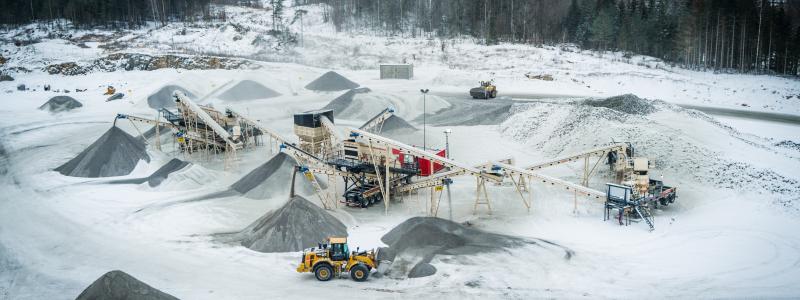
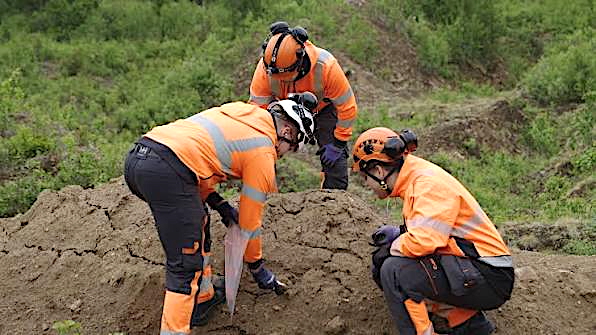
According to Finnish public broadcaster Yle, the project is being developed by state-owned Finnish Minerals Group, FMG, and its subsidiary Sokli Oy. The company plans to begin test mining and pilot processing in late summer 2027.
Sokli is to receive EUR 10 million directly through a new EUR 75 million programme launched by Business Finland. In addition, the Finnish government has previously reserved a total of EUR 65 million for development work and test mining during 2026–2028.
Permits still unresolved
Despite the new funding, the project does not yet have valid environmental and water permits. In 2022, Finland’s Supreme Administrative Court overturned earlier permits, partly because of risks related to water management.
A new permit application is now being processed by Finland’s Licensing and Supervision Authority, LVV. According to the authority, a separate environmental impact assessment is not required for the test operations.
That position has been criticised by both Savukoski municipality and the Finnish Association for Nature Conservation.
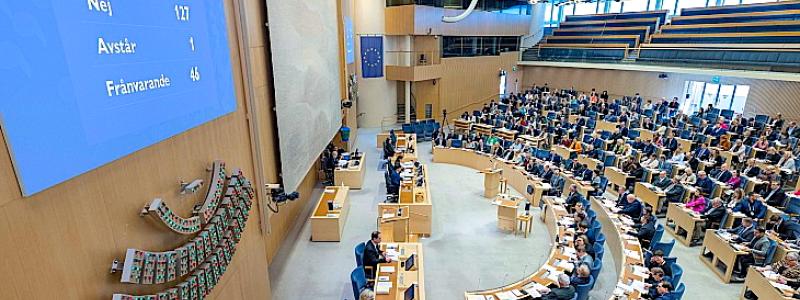
Earlier this year, Savukoski municipal council voted 8–5 in favour of opposing test and mining activities involving uranium and thorium, as well as projects that could cause significant environmental harm.
The municipality is now calling for a new environmental impact assessment and opposes allowing test operations to begin before any permit decision has gained legal force.
Rare earth elements in focus
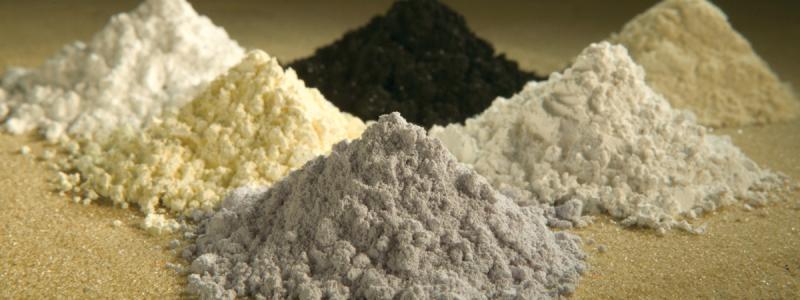
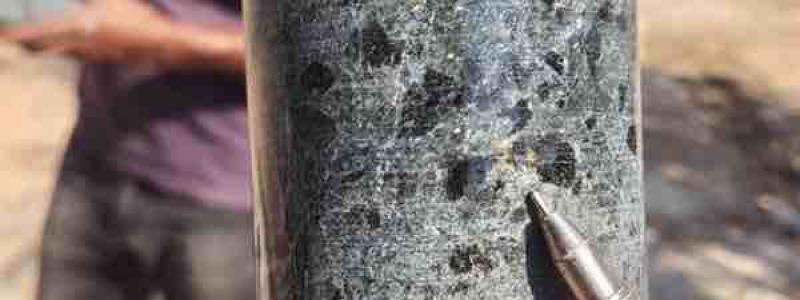
The Sokli deposit was discovered in 1967 and was for decades mainly associated with phosphate used in fertiliser production. In recent years, interest has increasingly shifted towards its rare earth elements, which the EU regards as strategically important in efforts to reduce dependence on China.
The deposit also contains niobium. Under the planned test operation, Sokli expects annual production of about 15,000 tonnes of phosphate concentrate and 2,500 tonnes of iron concentrate, while also testing the recovery of rare earth elements.
A final feasibility study has not yet been completed. According to Sokli Oy, a pre-feasibility study assessing the project’s economic prospects is expected to be completed by the end of 2028.
Source: Yle, Finnish Minerals Group, Business Finland and Savukoski municipality.