Finland’s steel market has entered a cautious recovery phase after several years of declining production and consumption. The development remains clearly divided, however. Demand is strengthening in industry and infrastructure, while residential construction remains at a low level.
According to a market analysis by GMK Centre, Finnish steel consumption is expected to increase to around 1.62–1.65 million tonnes in 2026. This represents a recovery compared with recent years, but consumption is still around 15 per cent below the 2021 level.
Over the past five years, steel consumption in Finland has fallen by around 19 per cent, while production has declined by almost 18 per cent, according to GMK Centre. The current improvement is therefore taking place from a relatively low base.
Industry becomes the main growth driver
The most significant change is that steel demand is increasingly being driven by industrial investment rather than traditional residential construction.
Data centres, energy-transition projects and major infrastructure investments are creating demand for both flat and long steel products. Defence-related investment and improvements to transport infrastructure are also contributing to consumption.
GMK Centre points in particular to substantial investment in Finland’s transport network during 2026. Railways, roads and bridges are among the projects requiring significant volumes of steel.
Consumption of long steel products is expected to increase by around 2.2 per cent during the year, according to the analysis.
At the same time, the construction market remains divided. Industrial buildings, logistics facilities and data centres are performing considerably better than the residential sector.
Housing construction is expected to remain subdued, limiting demand for reinforcing steel and other products used in concrete structures.
Finnish steelmakers focus on specialised products
Another change is the increasing focus among Finnish producers on products with higher added value.
Production of simpler standard grades has been reduced, while greater emphasis has been placed on specialised and more advanced steel products. This strategy allows producers to compete on factors other than price alone.
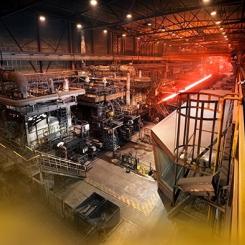
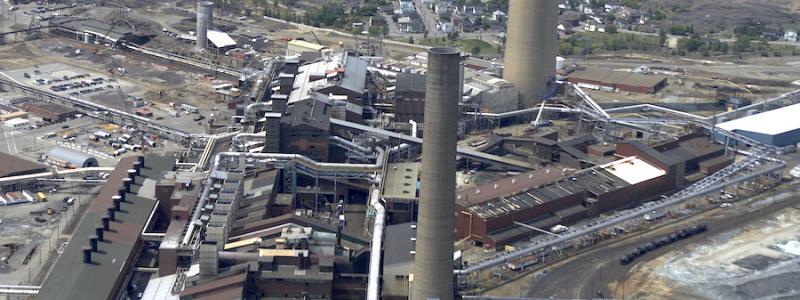
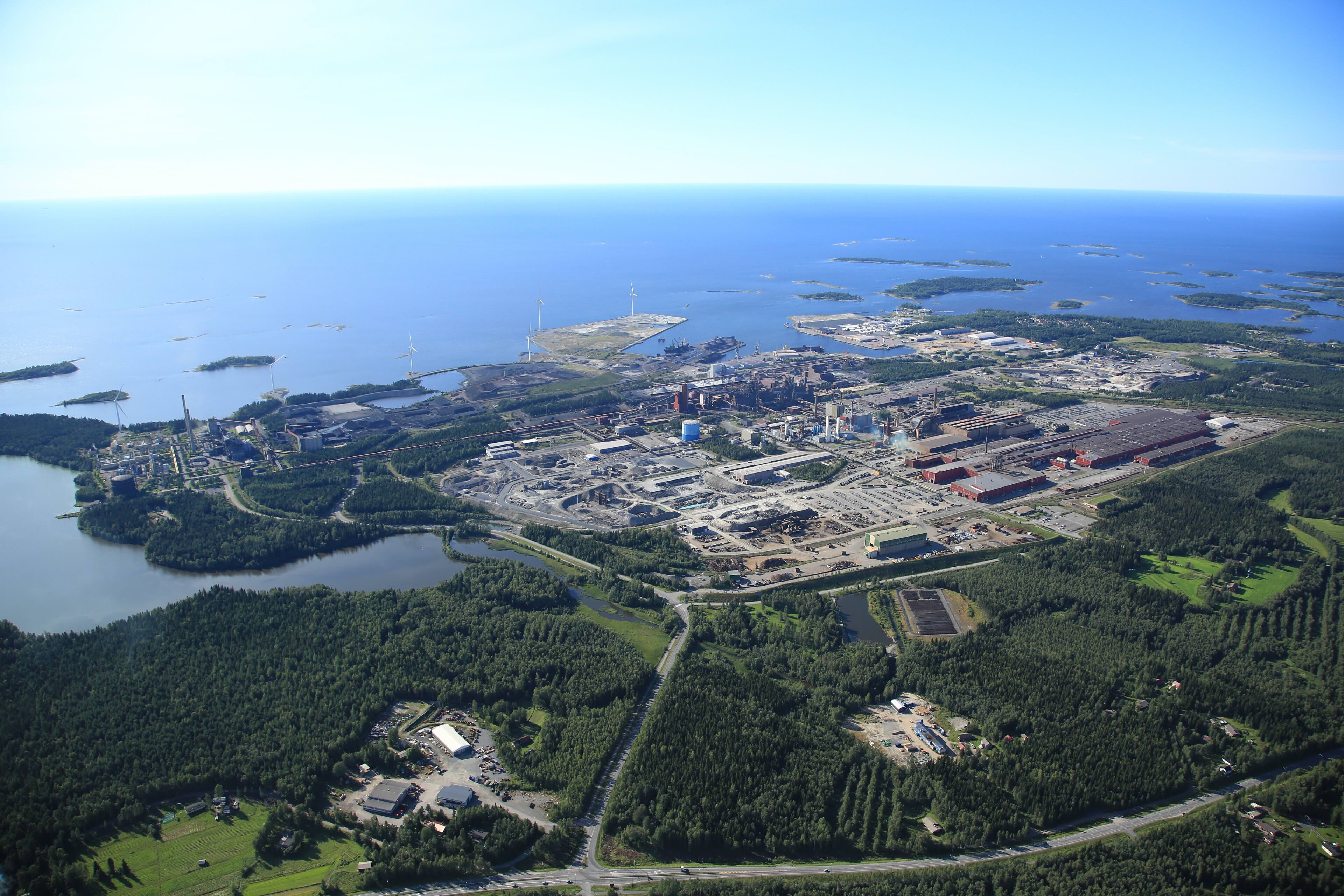
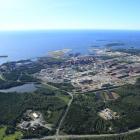
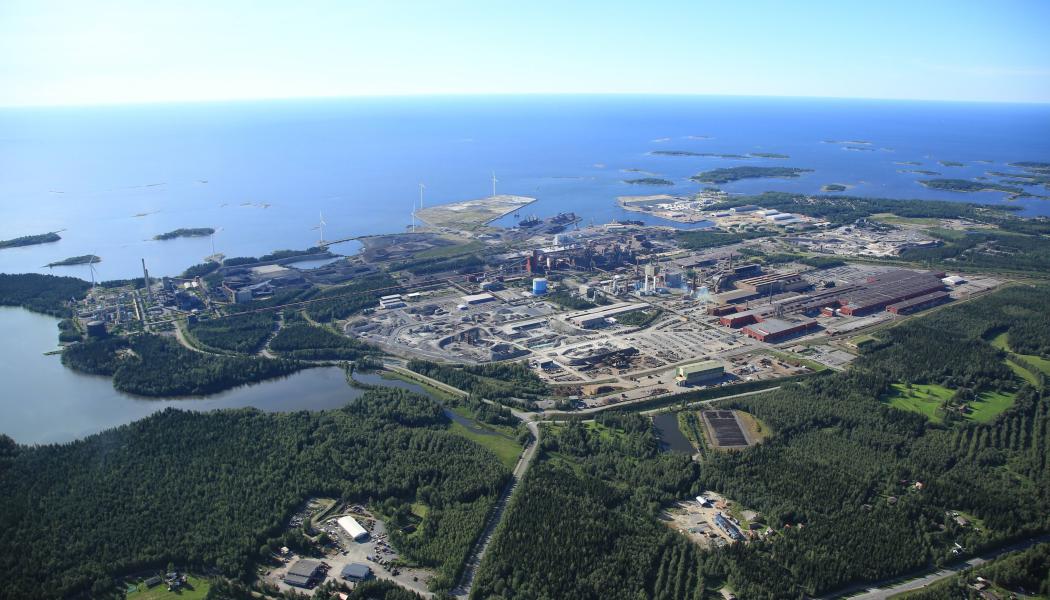
SSAB’s steelworks in Raahe is Finland’s largest carbon steel production facility, with an annual capacity of around 2.6 million tonnes. Production is mainly focused on strip and plate products for sectors including engineering and manufacturing.
Outokumpu’s plant in Tornio is meanwhile one of Europe’s most important production sites for stainless steel. Its output includes cold-rolled products for international markets.
Finland therefore has a highly export-oriented steel industry that remains closely linked to developments in the wider European industrial economy.
Imports affected by new EU rules
Conditions for steel imports into Finland are also changing.
The EU Carbon Border Adjustment Mechanism, CBAM, entered its definitive phase on 1 January 2026. The system means that importers of products including iron and steel from outside the EU will gradually have to bear a carbon cost linked to emissions generated during production.
The aim is to reduce the competitive gap between EU producers, which pay for emissions through the EU Emissions Trading System, and suppliers in countries with less stringent or lower-cost climate regulation.
For the Finnish market, this could affect both prices and sourcing patterns. Importers have stronger incentives to choose steel with lower emissions intensity or to increase procurement from suppliers within the EU.
For companies dependent on imports from regions such as Asia or Turkey, CBAM also means additional administrative requirements and potentially higher costs.
Steel prices face continued cost pressure
Price developments are also being influenced by energy costs, raw material prices and changes in steel availability within the EU.
Although Finland has relatively competitive electricity prices compared with many other EU countries, Finnish industry remains exposed to developments in the wider European energy market.
For stainless and other alloyed steels, the prices of alloying metals such as nickel and chromium are also important cost factors.
GMK Centre expects changing import conditions and tighter import quotas to contribute to a more constrained supply situation in the European market during 2026.
This could maintain upward pressure on prices in some product segments.
Selective recovery rather than broad-based upturn
The development suggests that Finland’s steel market has moved beyond the deepest phase of the downturn, but the recovery remains uneven.
Demand from data centres, industrial projects, energy-transition investments and infrastructure is creating new opportunities for steel producers and distributors. Residential construction, however, remains a clear weak point.
The market is therefore moving towards selective industrial growth rather than a broad-based cyclical recovery.
Over the longer term, access to competitively priced energy, developments in EU trade policy and investment in new industrial capacity will be important factors determining how quickly Finland’s steel market can return to pre-downturn levels.
Sources: GMK Centre and the European Commission.