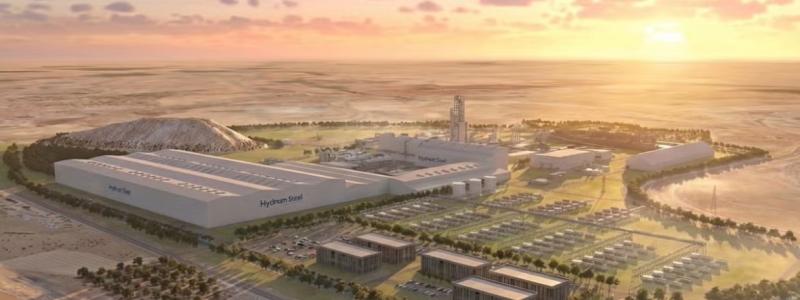

The United States is preparing for one of its largest steel investments in decades. Mesabi Metallics, controlled by India’s Essar Group, plans to invest about $15 billion in a new integrated steelmaking complex in the state of Iowa.
The project was announced on 28 September together with US President Donald Trump. According to the company, the first phase is expected to have an annual production capacity of about 7.5 million tonnes of steel. Capacity could later increase to 10 million tonnes per year, with initial production scheduled for 2030.
The Iowa development will form part of a much larger industrial chain in which iron ore is mined and processed in Minnesota before being used for steel production in Iowa.
Mesabi Metallics says the combined investment in its mining and steelmaking operations amounts to about $18 billion. Of this total, $15 billion relates to the new Iowa steel complex, while around $3 billion is connected with the company’s operations in Minnesota.
From iron ore to finished steel
One of the most significant features of the project is Mesabi Metallics’ plan to control a large part of the entire production chain.
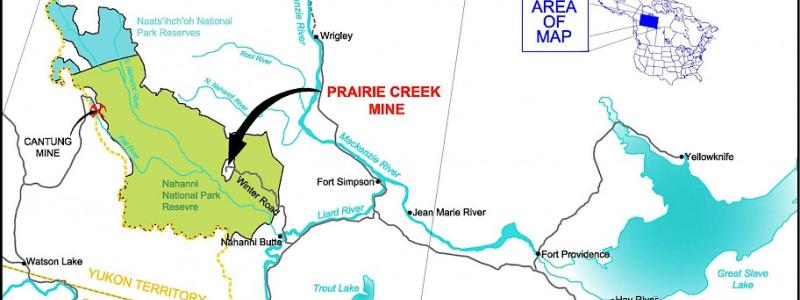
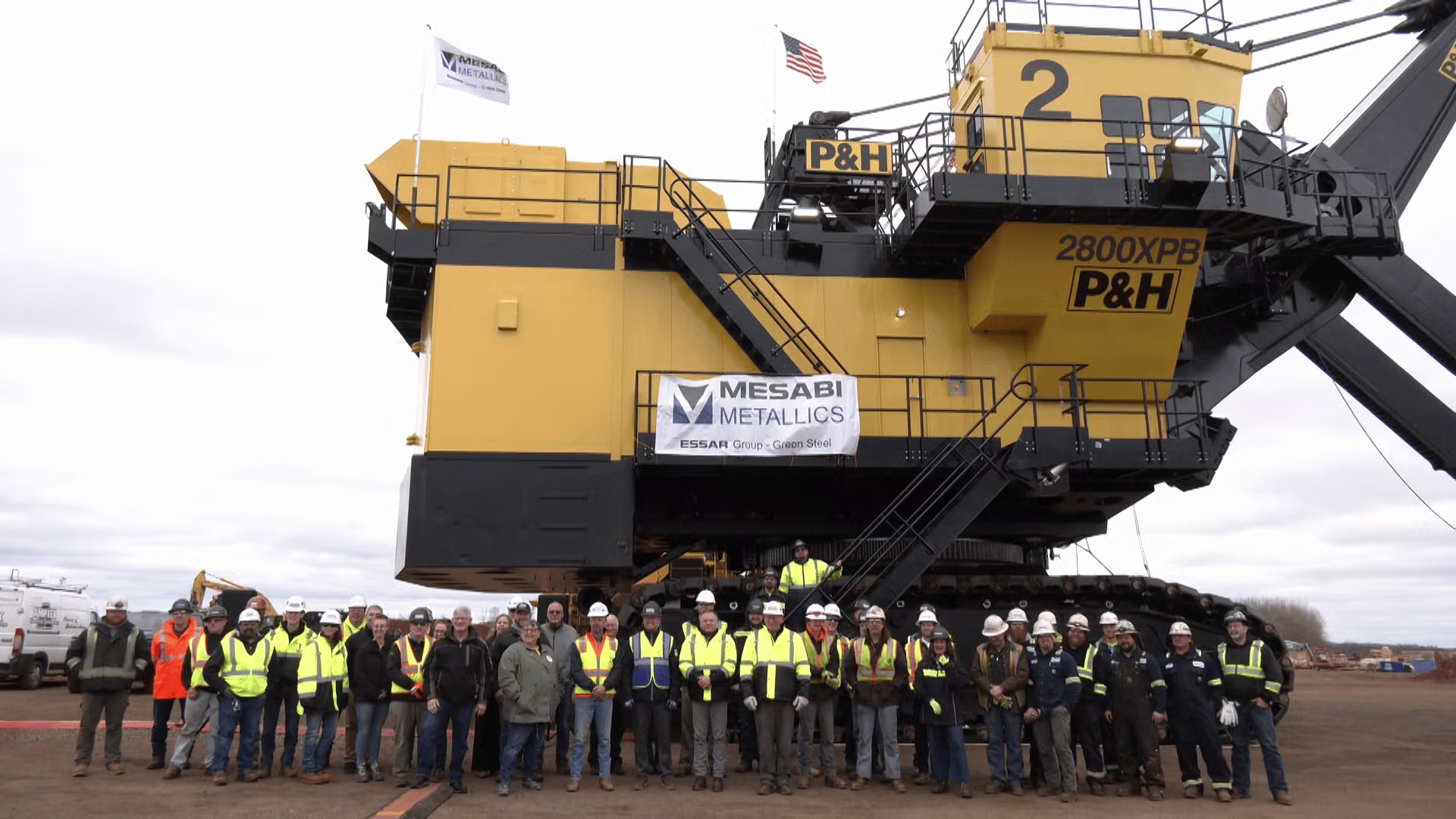
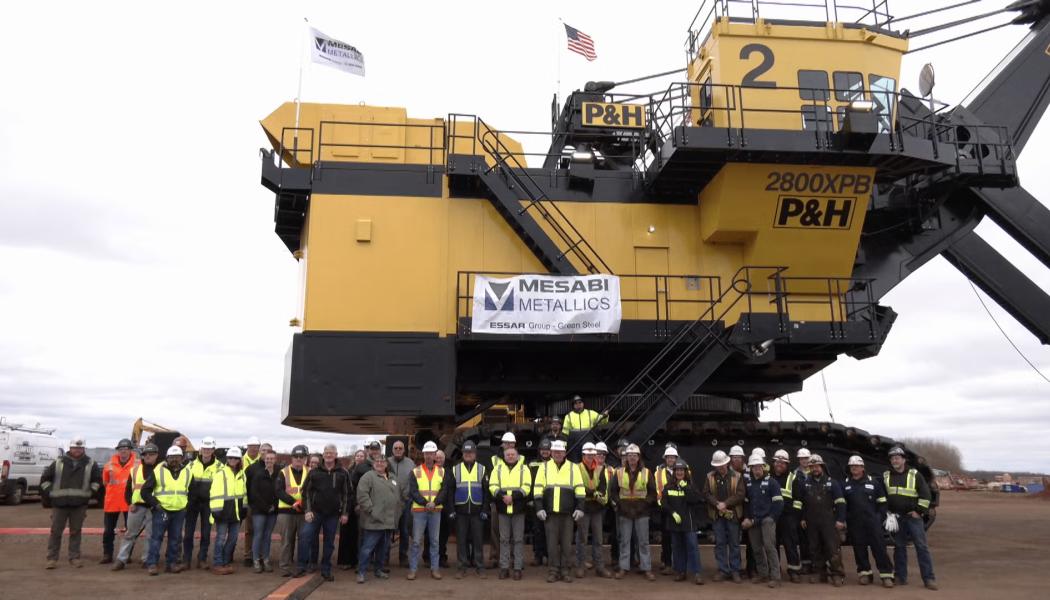
Iron ore will come from the company’s operation near Nashwauk on Minnesota’s Iron Range, an area that has been at the centre of US iron ore production for generations.
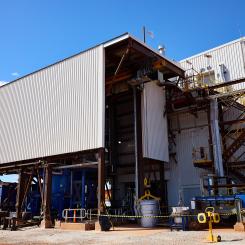
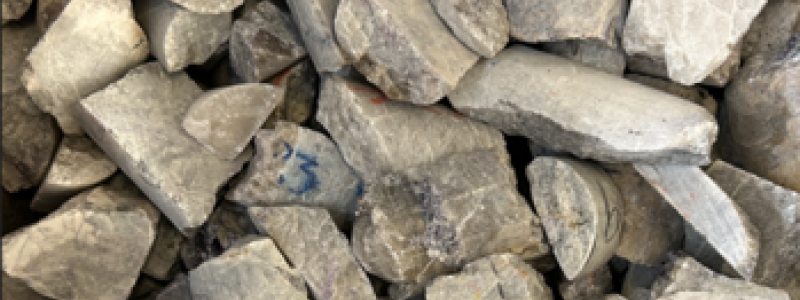
Mesabi has developed a new mine and pellet plant there with planned annual production of about seven million tonnes of high-grade iron ore pellets.
The pellets are intended to meet direct-reduction quality requirements, making them suitable for newer steelmaking processes that can reduce dependence on traditional blast furnaces and coking coal.
Such raw materials are becoming increasingly important as steel producers seek ways to modernise production and reduce emissions.
Mesabi describes the development as a fully integrated US steel supply chain in which raw material will be mined and processed in Minnesota before being transformed into steel in Iowa.
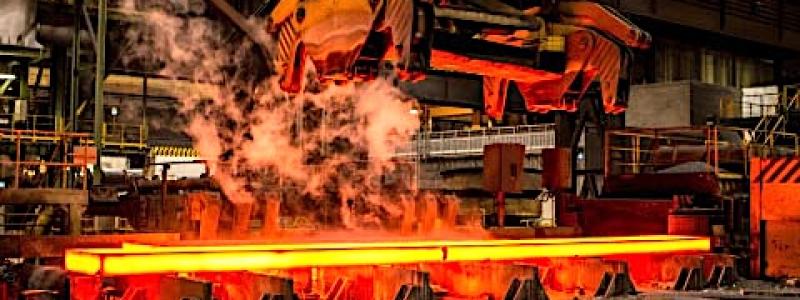
The resulting steel is expected to serve industries including automotive manufacturing, infrastructure, engineering and other sectors with substantial demand for domestic steel products.
Thousands of jobs expected
According to the White House and Mesabi Metallics, the new Iowa steel plant is expected to create at least 1,750 permanent jobs.
Up to 6,000 additional workers could be employed during construction.
The White House estimates that the economic impact of the first phase could reach about $95 billion during the construction period and the first ten years of operation. This figure is an administration forecast rather than an already realised economic result.
If the development reaches its full planned size, the Iowa facility would become a major steel producer even by international standards.
An annual capacity of 10 million tonnes would make the plant comparable in scale with several large European steelmaking sites combined.
The White House and Mesabi Metallics have described the project as the largest investment in a steelmaking complex in US history.
US seeks stronger domestic steel supply chain
The investment comes as the United States seeks to expand domestic production of both mineral resources and steel.
The Trump administration has placed tariffs and other trade measures at the centre of its efforts to reduce imports and encourage investment in US manufacturing.
Trump presented the Mesabi project as an example of how steel production can be expanded within the United States.
The situation on the wider global steel market is markedly different. The industry continues to face substantial excess capacity, particularly linked to China’s enormous steel production.
High US trade barriers have helped create market conditions that differ from those in many other regions. Higher domestic steel prices can improve the economics of new American production projects, while exporters in neighbouring countries such as Canada face greater difficulty in accessing the US market.
Cleveland-Cliffs recently announced production reductions at its Hamilton operation in Ontario, affecting up to 500 jobs. The company linked the decision to the consequences of trade tensions and US steel tariffs.
Government financing for Minnesota operation
Mesabi Metallics has already invested billions of dollars in its mining and pellet project in Minnesota.
On 24 September, the Export-Import Bank of the United States approved a direct loan of $770 million for the project. The financing relates to the iron ore mine and pellet facility at Nashwauk rather than the planned Iowa steel plant.
EXIM had previously indicated the possibility of providing financing of up to $10 billion for a much larger expansion of Mesabi’s operations. The subsequently approved direct loan is therefore considerably smaller than the maximum financing discussed earlier.
Mesabi says the Minnesota development represents the first major new iron ore mining operation of its kind to begin production in the United States in around 50 years.
Once fully developed, the site is expected to produce approximately seven million tonnes of iron ore pellets annually for US steelmakers.
More major steel investments under way
The Mesabi project is not the only large steel investment currently under development in the United States.
South Korean steelmakers Hyundai Steel and POSCO are also involved in the construction of a new production complex in Louisiana.
That investment is likewise intended to increase US domestic steelmaking capacity, particularly for the automotive sector.
The developments demonstrate how investment in American steel production is accelerating at the same time as trade policy changes the competitive environment for domestic manufacturers and overseas suppliers.
For Mesabi Metallics, the Iowa project would mark a major expansion from iron ore production into an integrated business covering the entire chain from mining and pellet production to finished steel.
If the current timetable is maintained, the first steel from the new Iowa facility is expected to be produced in 2030.
Sources: Reuters, Mesabi Metallics, Export-Import Bank of the United States and the White House.