

Ariana Resources plc, amineral exploration and development company advancing the 100% owned, 1.6 Moz Dokwe Gold Project in Zimbabwe, announcse an update on its Feasibility Study Programme for the Project.
Highlights include:
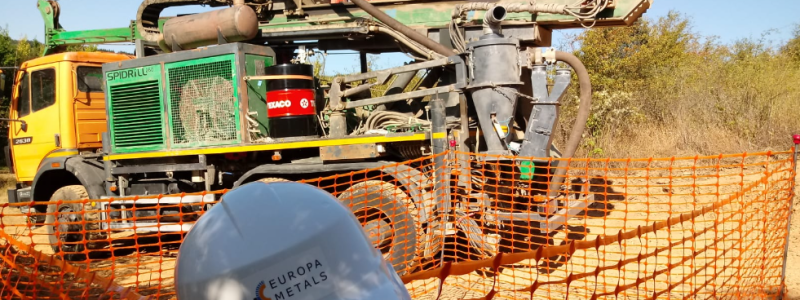
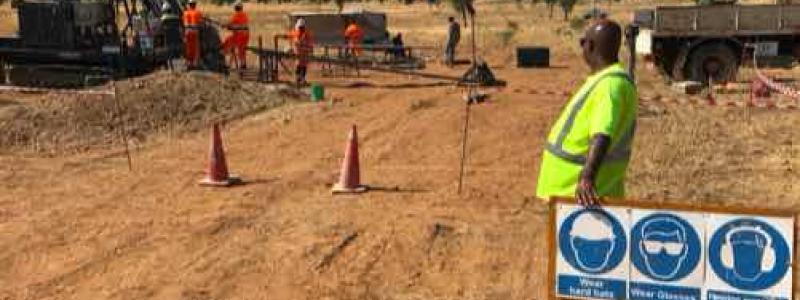
- 2,200m of water bore drilling underway in an area hosting a potential aquifer to the north of Dokwe, in order to define a source for processing water.
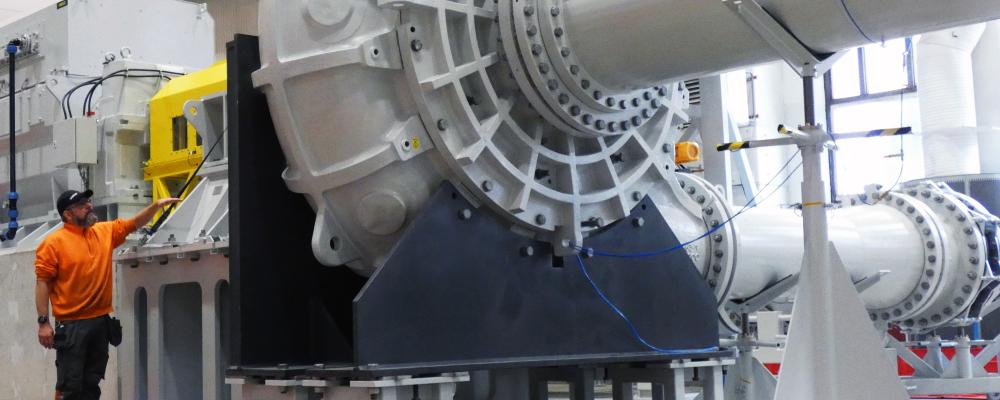
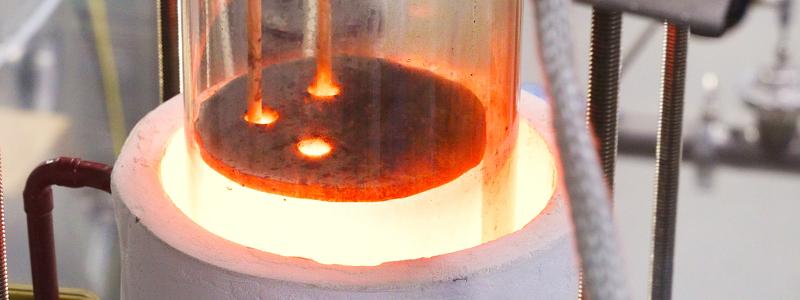
- Metallurgical testwork underway with Xinhai and IMO, in China and Australia respectively.
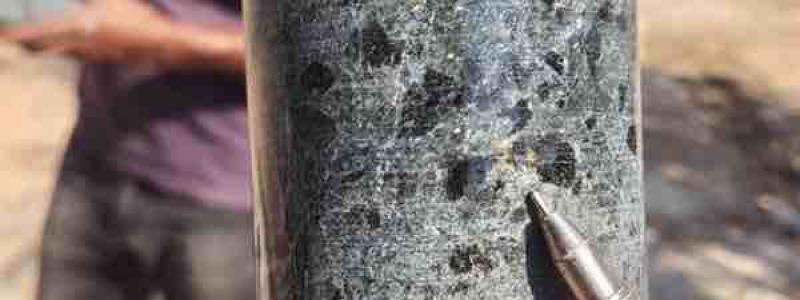
- Geotechnical drilling completed at Dokwe Central, which provides new data for the planning of the expected Dokwe Central open-pit.
- 2,300m of RC drilling due to commence for infrastructure area sterilisation and associated exploration.
- Aeromagnetic and LiDAR survey to commence, which will enable better exploration planning and targeting ahead of future drilling programmes.
Dr. Kerim Sener, Managing Director, commented:
“We are making excellent headway with the Feasibility Study programme for the Dokwe Gold Project in Zimbabwe on several very active fronts. With the recent completion of exploration and resource drilling programmes totalling c.11,000m, we are now advancing our work towards an Independent Mineral Resource Estimate. This will become the final MRE for the purposes of the Feasibility Study.
“Furthermore, we are advancing towards a revised Ore Reserve statement which we expect towards the end of this year.
“Various other project developments are underway, notably the commencement of our c.2,200m water drilling programme to ensure we will have sufficient water supply for the processing plant.
“Beyond this, we are preparing to commence several new exploration and development activities across the project. Ultimately, we want to test systematically the remaining 10km of identified prospective shear zones that are untested by drilling, which to date has only examined 3km of strike.
“We also note the significant local support for the development of the project and look forward to continuing our work with the local community to make a meaningful and positive social impact over the years ahead.”