

New Mexico has banned new leases for uranium mining and related activities on state-managed land. The decision does not cover all land in the state, but puts New Mexico at odds with the federal government’s efforts to increase domestic uranium production.
State Land Commissioner Stephanie Garcia Richard issued the executive order on 4 September. It also directs the New Mexico State Land Office to prioritise the cleanup of legacy uranium sites and calls on the mining industry and federal authorities to assume greater responsibility for unresolved environmental damage.
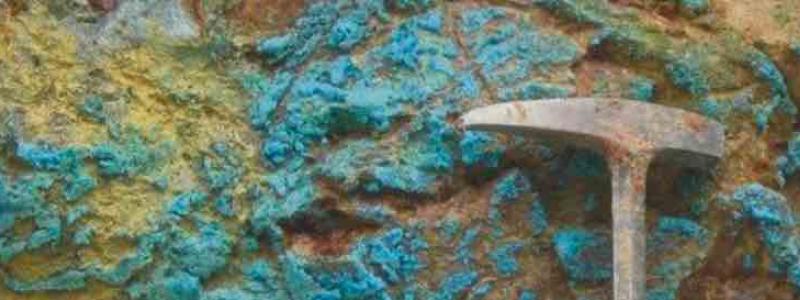
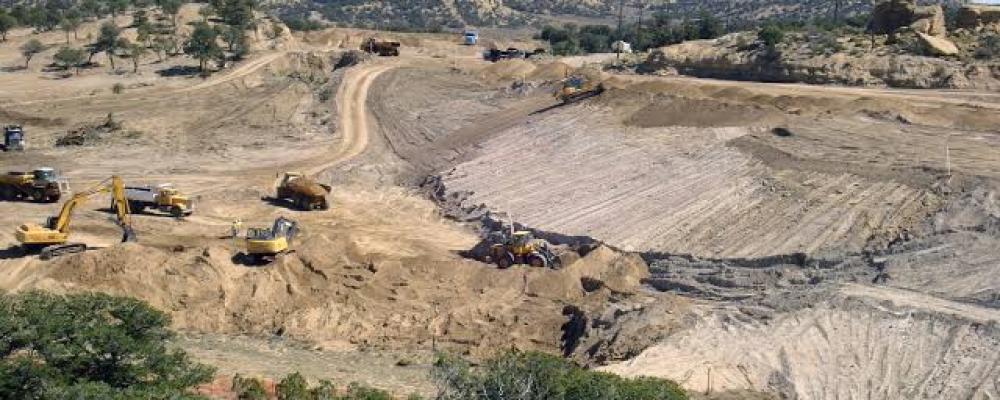
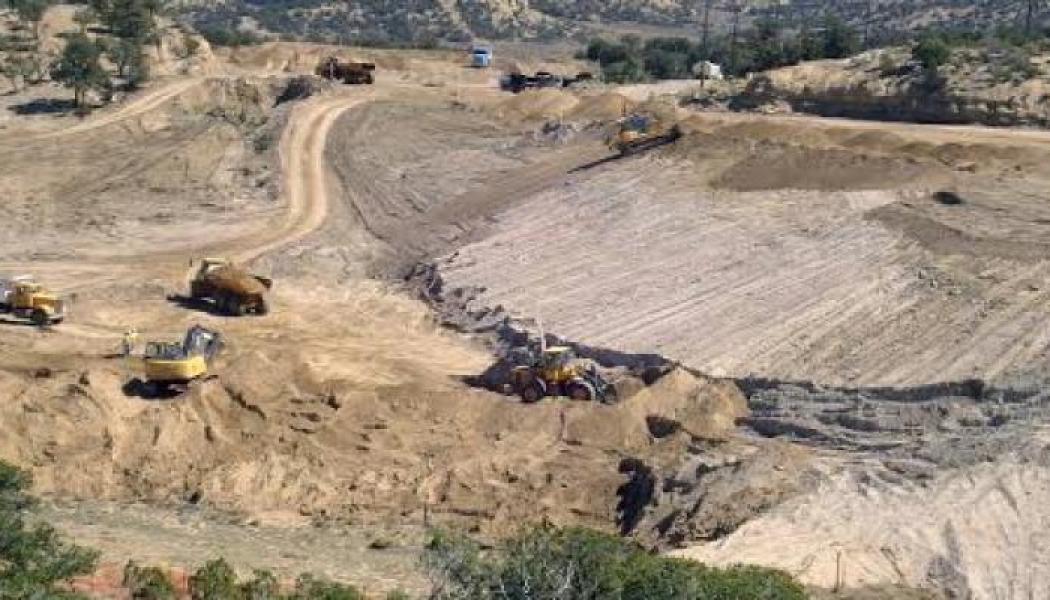
New Mexico was the largest uranium ore-producing state in the United States for several decades. According to the State Land Office, mining left more than 1,000 former mines, milling facilities and exploratory drilling sites.
About 250 of these are considered abandoned because no financially viable responsible party can be identified. At least 50 are located on state trust lands.
The former mining region has no active mines
The Grants uranium district in northwestern New Mexico was the largest source of US uranium between 1951 and 1980. No uranium mines are currently operating in the state, although several areas remain of interest for possible future development.
Two uranium leases are still active. The executive order applies to new leases and does not automatically terminate existing rights.
Cleanup work has begun at some legacy sites, including the former Northeast Church Rock Mine. Remediation is complicated because responsibility may be divided between former mining companies, federal agencies and different landowners.
– Since taking office in 2019, I have not allowed any uranium mining on state lands. This action formalises that prohibition to protect our communities, land and water, Garcia Richard said.
She highlighted the consequences for Indigenous communities and other residents who have lived near uranium mines or downwind of nuclear testing sites.
State representatives have also criticised the Trump administration’s efforts to increase US uranium production. The State Land Office argues that abandoned and contaminated sites should be addressed before new projects are promoted.
Nuclear development divides New Mexico
New Mexico has played a central role in US nuclear history. Los Alamos was the centre for the development of the first atomic bombs and remains home to Los Alamos National Laboratory.
The state also hosts the Waste Isolation Pilot Plant, a repository for transuranic waste from the US defence programme, and Urenco USA’s uranium enrichment facility near Eunice. It has no commercial nuclear power plants.
Opposition to uranium mining has also led to proposed legislation protecting the Chama watershed from extraction on federal land. The water system is important to Indigenous communities, agriculture and settlements across northern New Mexico.
In 2023, the state adopted legislation opposing the storage and disposal of high-level radioactive waste without New Mexico’s explicit consent. The measure later contributed to Holtec International abandoning plans for a consolidated interim storage facility for spent nuclear fuel.
At the same time, organisations including the New Mexico Nuclear Alliance support new nuclear development and renewed uranium mining. The issue is therefore likely to remain politically contentious as the United States seeks to strengthen its domestic nuclear fuel supply.
Sources: New Mexico State Land Office and Nuclear News.