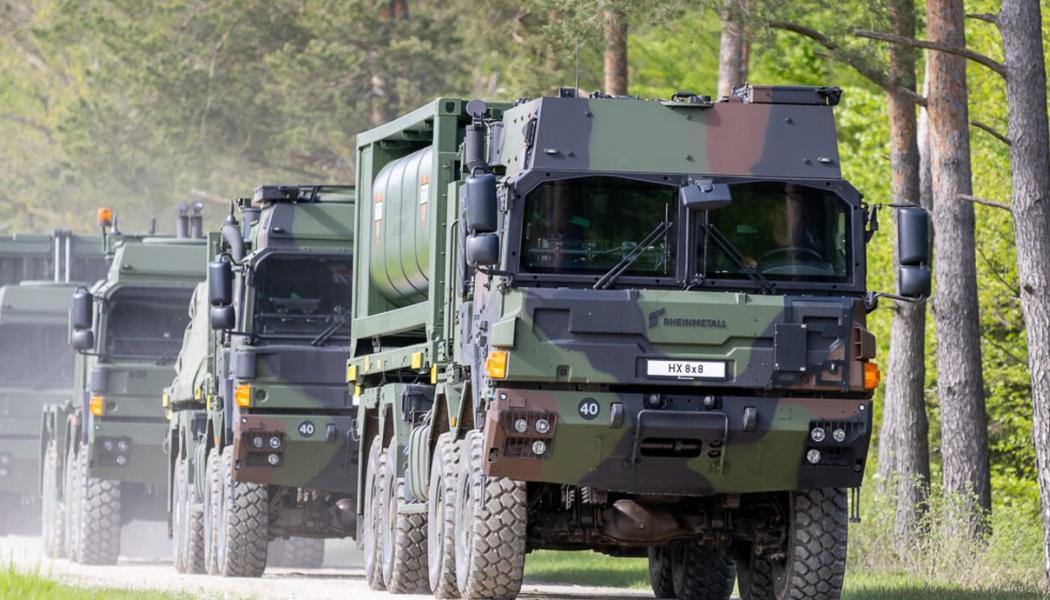
Rheinmetall plans to invest more than €260 million in Kassel and at Kassel-Calden Airport. The programme includes expanded military vehicle production, a logistics and training centre, and a facility for developing and testing drones.
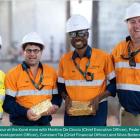
The plans were presented when Rheinmetall chief executive Armin Papperger and Hesse’s Minister-President Boris Rhein signed a letter of intent at Kassel-Calden.
The state of Hesse intends to support the investments with a sum in the tens of millions of euros. Over time, the expansion is expected to create more than 1,000 jobs in Kassel and Calden.
The programme is being developed under the name Defence Hub Nordhessen. Its purpose is to connect Rheinmetall’s existing industrial operations in Kassel with the airport’s capacity for logistics, training and flight testing.
Military vehicle production to increase
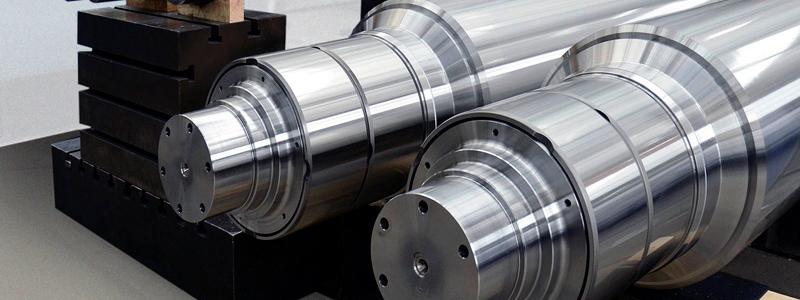
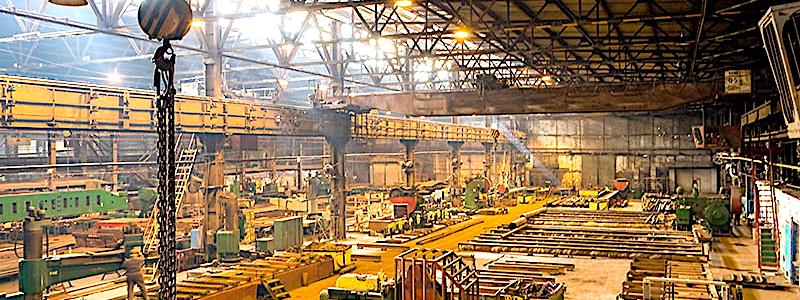
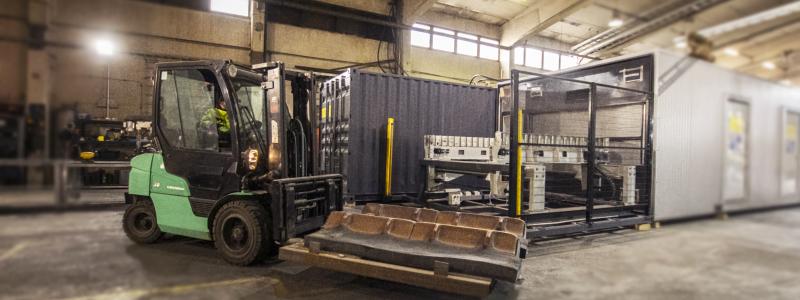
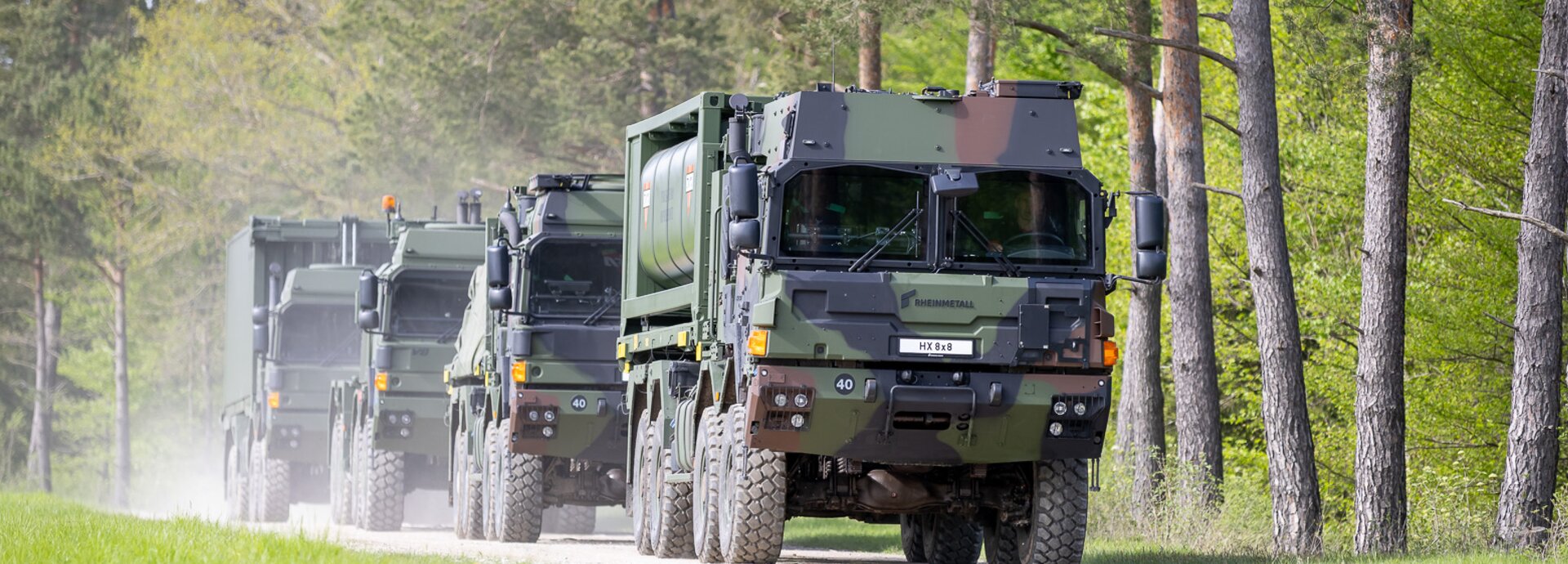
Rheinmetall’s Kassel plant manufactures and integrates wheeled and tracked military vehicles. Its work includes the Boxer armoured vehicle and other systems supplied to the German armed forces and international customers.
The investment is intended to increase production capacity and establish Kassel as one of Rheinmetall’s most important European centres for military vehicles. The company aims to develop the site into Europe’s largest plant of its kind.
Expansion is being driven by growing demand for defence equipment in Germany and elsewhere in Europe. Since Russia’s full-scale invasion of Ukraine, several Nato countries have increased military expenditure and placed larger orders for vehicles, ammunition and air-defence systems.
However, the planned increase in capacity depends on continued demand and long-term contracts. The letter of intent sets out a strategic direction but does not mean that every investment and job has already received final approval.
Airport gains new industrial role
Kassel-Calden is to become a central logistics and training hub. The airport could be used to transport equipment, train personnel and coordinate maintenance and service activities.
The programme could give Kassel Airport a broader role alongside civilian aviation. The airport has experienced recurring financial losses, and Hesse, its majority owner, has been seeking additional activities that can make greater use of the infrastructure.
Through Defence Hub Nordhessen, the state government wants to combine Kassel’s industrial expertise with the airport’s runway, hangars and available land.
– With Defence Hub Nordhessen, the state is also demonstrating its clear commitment to Kassel Airport, says Boris Rhein.
The logistics centre could be used for receiving, temporarily storing, maintaining and forwarding military vehicles and other equipment. A detailed timetable for the individual construction projects has not yet been announced.
New centre for drone testing
Rheinmetall’s plans include a centre where unmanned aerial vehicles can be developed, tested and demonstrated under controlled conditions.
Locating the facility at an airport provides access to airspace, technical infrastructure and secured areas. This could facilitate tests of the aircraft as well as their sensors, communications equipment and control systems.
Rheinmetall displayed a loitering munition during the presentation. This type of unmanned aircraft can remain airborne while searching for a target before being used as a weapon. The technology has gained greater military importance through its extensive use in the war in Ukraine.
Hesse is separately establishing a broader drone competence centre at Kassel-Calden. The state is providing an additional €8 million for the initiative, which will be led by the Technical University of Darmstadt.
The competence centre will focus on research, testing, training and civilian applications for unmanned aircraft. Rheinmetall’s military test facility and the university-led centre are separate projects, but both will contribute to the concentration of drone expertise around the airport.
The new operations are expected to create jobs in manufacturing, development, logistics, aviation technology and training. How quickly the target of more than 1,000 jobs can be reached will depend on the implementation of the investments and future defence orders.
Sources: Rheinmetall, the state government of Hesse, Deutsche Presse-Agentur, Reuters and Welt.