
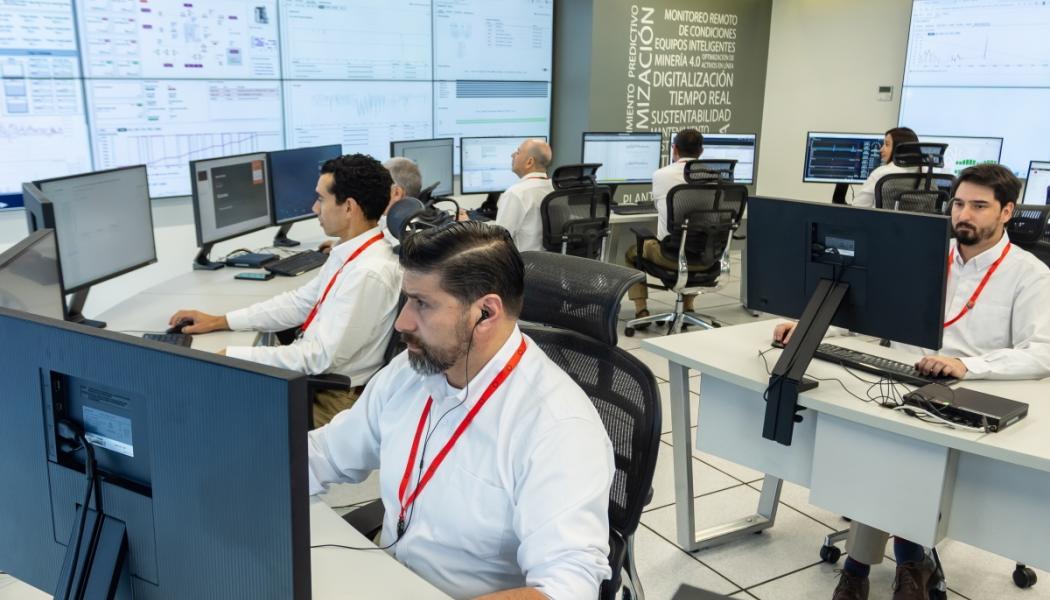
Metso has connected more than 800 machines and equipment units to its data-driven analytics services for the minerals industry. The number has more than doubled since the services were launched in September 2025. The aim is to identify emerging faults before they cause costly production stoppages.
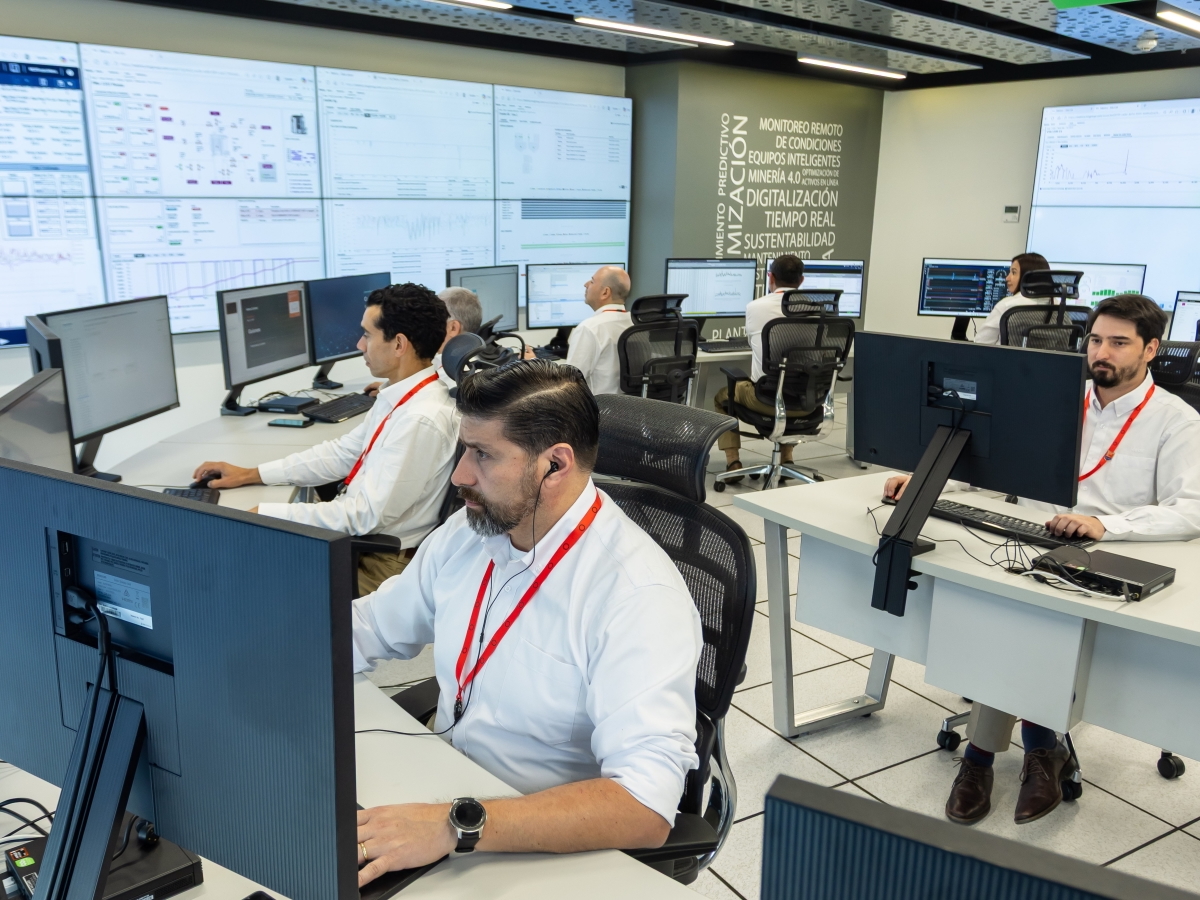
The Finnish industrial group uses measurement data, advanced analytics and AI models to monitor equipment at mines and mineral processing plants. Specialists at Metso’s Performance Centres analyse the information.
According to Metso, the data-driven approach can improve maintenance planning, increase safety and reduce unplanned downtime. The company also says that customers have increased equipment availability while lowering emissions per tonne of production.
The figures are based on Metso’s own operational experience and a customer project in South America. The company has not presented an independent assessment of the reported results.
Sensors and AI warn of emerging faults
Connected equipment continuously transmits information on factors such as vibration, temperature, load and other operating conditions. By comparing current readings with historical data, the system can identify deviations indicating wear or technical problems.
The analysis combines standard instrumentation, AI models and knowledge of how different components typically fail. Metso also uses Failure Mode and Effects Analysis, or FMEA, a method for systematically identifying potential faults, their causes and their consequences.
When the system detects an anomaly, maintenance personnel can inspect the equipment and plan corrective measures before the issue develops into a failure. This can reduce the need for emergency repairs and allow work to be carried out during a scheduled production stoppage.
Metso steps up predictive maintenance for mineral processing
– Connected equipment enables rapid analysis and action. Based on our experience, the services can detect between 80 and 90 per cent of problems, says Arttu-Matti Matinlauri, Vice President, Minerals Digital at Metso.
According to Matinlauri, some customers have increased equipment availability by as much as 6 percent. Carbon dioxide emissions have reportedly fallen by up to 20 per cent per tonne of production.
The scale of the improvements depends on factors including the plant’s previous performance, the type of equipment connected and how quickly the customer responds to warnings. The results cannot therefore be applied automatically to every mining or mineral processing facility.
Metso says it can now analyse both individual machines and groups of interconnected equipment. This makes it possible to assess how a problem in one part of the process may affect other production stages.
South American plant reportedly saved millions
At an unnamed customer site in South America, the system has reduced unplanned downtime and extended the average time between failures, according to Metso.
During the first 6 months of operation, the service reportedly identified 94 per cent of the risks subsequently confirmed at the plant. The early warnings enabled preventive measures to be taken and potential machinery failures to be avoided.
Metso estimates that the customer avoided more than 215 hours of potential downtime. The requirement for spare parts was also reduced.
According to the company, the total estimated financial value of the risks identified and addressed amounted to 7.4 million dollars. Metso has not named the customer or provided detailed information about the plant’s size and production.
– The results demonstrate how operational data can be transformed into tangible customer value. We will continue working together to improve operations, says Pablo Zuniga, head of Metso’s Performance Services.
Calculations of avoided costs are generally based on assumptions about the likely duration of a shutdown and the production losses that might otherwise have occurred. The figures should therefore be regarded as Metso’s estimate of the potential financial benefit.
Digital maintenance gains ground in mining
Mining and mineral processing facilities often consist of long production chains in which a failure in a crusher, mill or other critical machine can affect the entire operation. Unplanned interruptions can therefore cause substantial financial losses within a short time.
Condition-based maintenance differs from traditional models in which servicing is conducted at fixed intervals or only after equipment has failed. By monitoring the actual condition of machinery, maintenance can instead be prioritised according to need.
The approach nevertheless depends on reliable sensors, stable data transmission and sufficiently detailed analytical models. Operators must also determine which alerts require immediate action and which can safely wait.
Cybersecurity becomes increasingly important as more machinery is connected to external analytics environments. A disruption in data transmission or an intrusion into digital systems could, in the worst case, affect production.
The increase from fewer than 400 to more than 800 connected equipment units in about a year indicates growing demand for data-driven maintenance. For mining companies, the key question is whether the investment can deliver more stable production and lower operating costs over time.
Sources: Metso and AT Minerals.