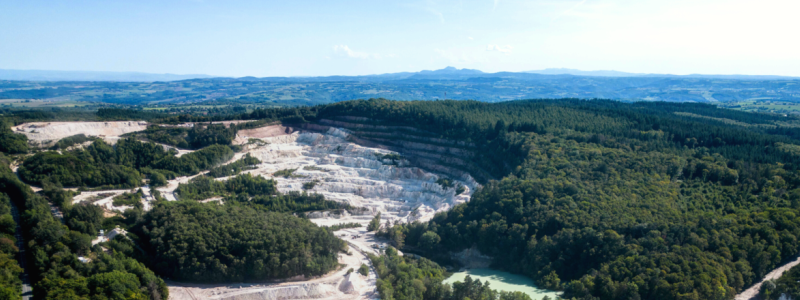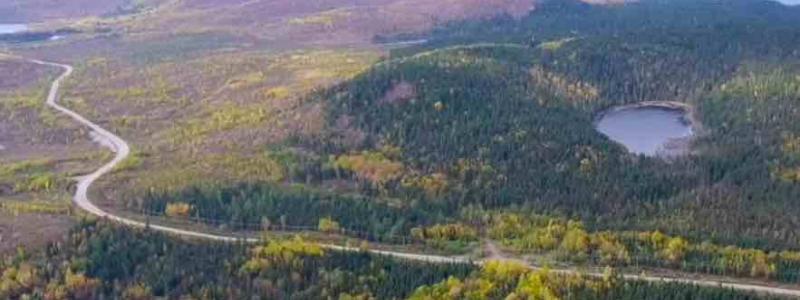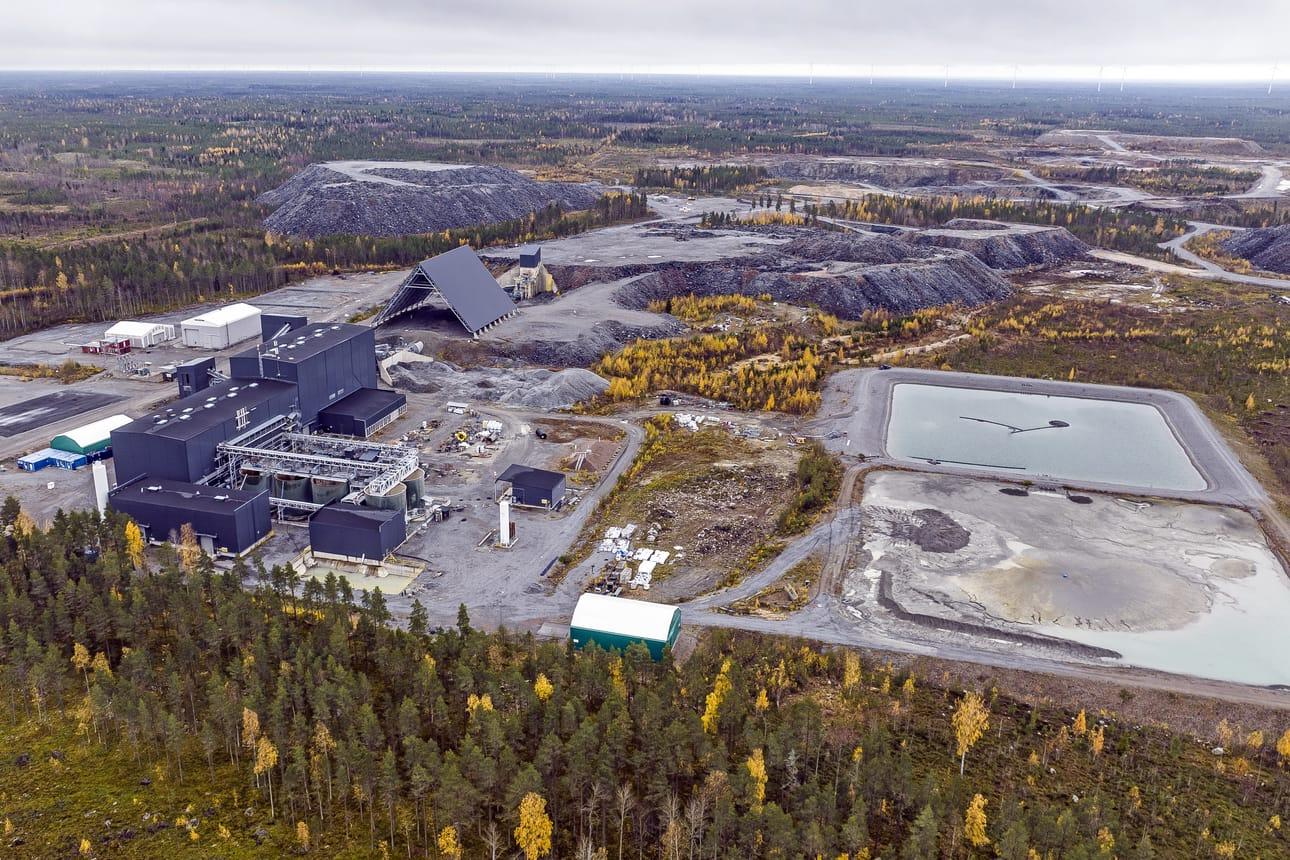


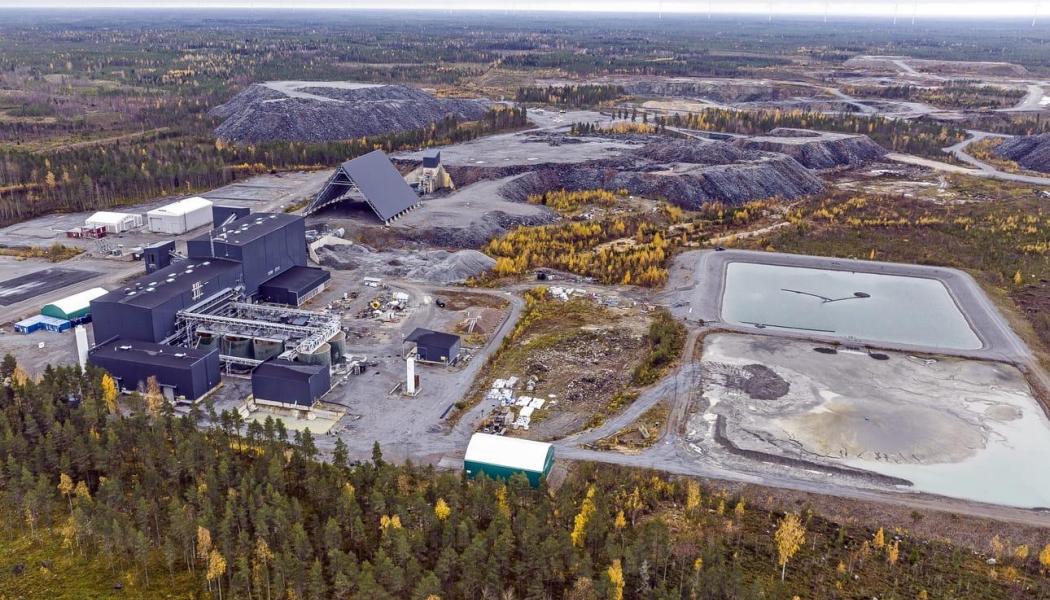
The Laiva Gold gold mine in Brahestad is facing its deepest crisis yet. After years of environmental problems and financial difficulties, Finnish authorities revoked the mine’s environmental permits, and a regional administrative court has now backed the decision.
Production at the mine has been halted for more than four years, and the future of the operation remains uncertain. Despite this, the company still hopes to restart mining activities.
In April, the Vaasa Administrative Court ruled that the environmental permits should be withdrawn. The decision is not yet final, but legal experts believe the chances of overturning the ruling are limited.
– The reasoning is consistent, and I consider it rather unlikely that the Supreme Administrative Court would grant leave to appeal in this case, environmental law professor Kai Kokko of the University of Helsinki told Yle.
The mining company nevertheless plans to appeal.
– We are extremely disappointed with the court’s decision. Not all of our well-founded arguments were taken into account, my manager Jim Jackson said in comments to Yle.
A long series of environmental problems
Authorities argue that the company repeatedly violated the conditions of its environmental permits over an extended period and failed to carry out required corrective actions despite multiple warnings.
According to the court, the violations were both serious and long-lasting.
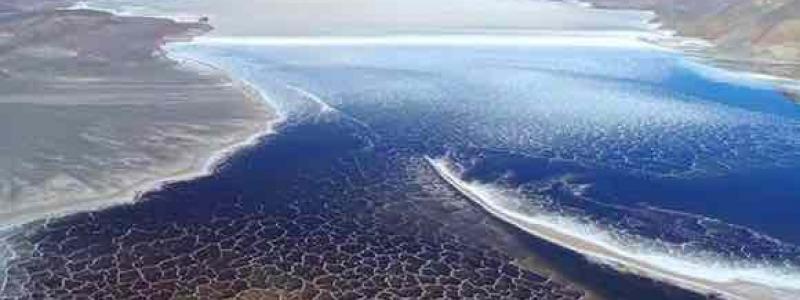
Particularly severe were the issues surrounding the mine’s tailings ponds and dam safety systems. One of my waste basins became full already eight years ago and should, under earlier permit conditions, have been covered with soil material. That never happened.
When water began accumulating in the basin, contaminated water had to be pumped in autumn 2020 to another waste area as an emergency measure – an action that violated environmental permit conditions.
Authorities warned that a dam failure could have spread heavy metals and arsenic across surrounding natural areas.
Documents also show that Laiva Gold received separate supervisory notices regarding the problems already in autumn 2023. The basin was only covered last year.
Problems have also been identified at another waste storage area. Previous owner Otso Gold never completed the dam structures, and according to authorities, Laiva Gold also failed to correct deficiencies within the required timeframe.
In addition, elevated cyanide levels have been detected in groundwater near the site. Although the concentrations were within regulatory limits in autumn 2024, monitoring is continuing.
The state stepped in to pay for electricity
The conflict between the company and the authorities has continued for years. Juha Kangaskokko, the supervising official at Finland’s licensing and supervisory authority, described the situation as increasingly unsustainable.
According to him, only limited visible improvements were made despite repeated remarks from regulators.
During the winter of 2023, the situation became so serious that the Finnish state once again had to take responsibility for the electricity supply to the mine area in order to avoid larger risks.
Despite that, the company was given additional time to secure new electricity agreements, but authorities ultimately intervened during the summer of 2024.
Laiva Gold argues that most of the serious problems originated under previous ownership and that the company is now unfairly being held responsible for earlier failures.
– We consider it deeply unfair that we are being punished for deficiencies caused by previous owners, Jim Jackson said.
The company also claims that no immediate environmental threat existed during its ownership period and that several problems were already being addressed before the permits were revoked.
High gold prices offer new hope
Despite the legal and financial crisis, Laiva Gold still wants to restart the mine. The company points in part to high gold prices and improved financing conditions.
– With current gold prices, the mine could be highly profitable. Our goal is to restart operations as soon as possible, Jackson said.
But the process could take time. According to experts, a new legal process could continue for up to two years.
At the same time, the future of the entire project remains uncertain. If the environmental permits are ultimately revoked permanently, the mine may instead be forced into permanent closure and environmental remediation.
The case has become another example of growing conflicts surrounding mining projects in the Nordic region, where environmental risks, dam safety and mine waste management have received increasing scrutiny following several international dam failures and tighter regulatory demands.
Source: Yle