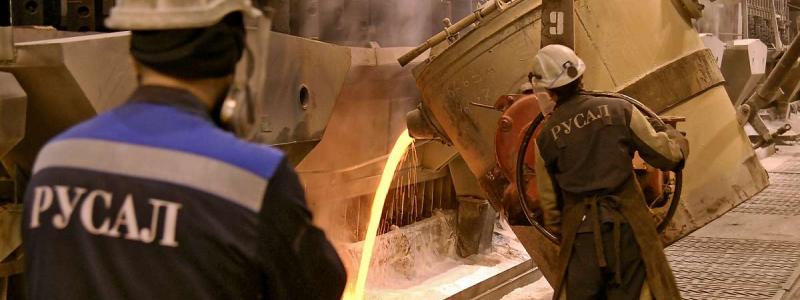





Spring 2026 is marked by increasing geopolitical tensions and a more unpredictable US foreign policy. This has prompted investors to shift toward so-called safe-haven assets. Gold and gold-related investments have consequently seen renewed momentum.
In particular, shares in gold mining companies are attracting attention. Unlike the physical metal, these stocks tend to move more sharply, both upward and downward. In an environment of persistent market volatility, the sector is drawing investors seeking to shield their portfolios from turbulence.
A key vehicle for this trend is the L&G Gold Mining UCITS ETF. The fund invests in companies that generate at least 50 per cent of their revenue from gold mining, offering concentrated exposure across the gold production value chain.
Cost pressures challenge profitability
A decisive factor for returns in the sector is operational leverage. When gold prices rise, mining companies can increase profits at a faster rate – provided costs remain under control.
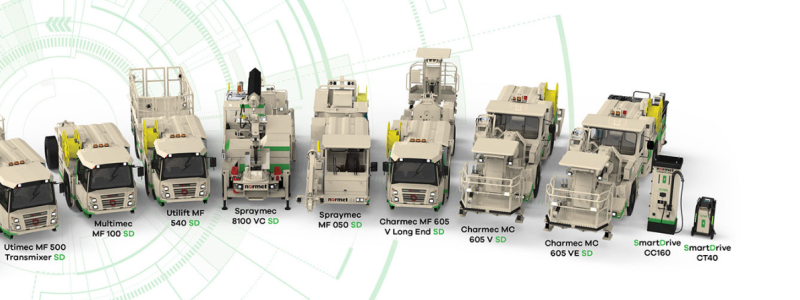
At present, however, this remains a challenge. Inflation in the energy sector and rising prices for mining equipment are squeezing margins. As a result, a growing share of revenue gains risks being offset by higher operating costs.
The fund most recently closed at 100.74 euros, representing a weekly decline of 7.80 per cent. Despite this short-term setback, it still shows a year-to-date gain of nearly ten per cent.
Future performance will largely depend on how effectively companies manage costs relative to elevated gold prices.
Earnings reports and rates in focus
The ETF carries a total expense ratio of 0.55 per cent, placing it in the mid-range among comparable funds. Its portfolio is dominated by large, established mining companies and follows ESG criteria that exclude firms violating international standards.
Among its largest holdings are Newmont Corporation, Agnico Eagle Mines and AngloGold Ashanti.
The upcoming first-quarter reporting season, starting in late April, will be closely watched. Companies such as Kinross Gold and Gold Fields are expected to provide clearer insight into how efficiently miners are converting high gold prices into cash flow.
At the same time, central bank interest rate decisions will continue to influence the market. Higher rates typically reduce the appeal of gold, while lower rates tend to support it.
The key question for investors, therefore, remains unresolved – should recent declines be seen as a signal to sell, or as a potential entry point in an increasingly uncertain global environment?
Source: boerse-global.de
Fact check
Gold has traditionally been viewed as a safe-haven asset during periods of geopolitical instability and financial uncertainty. However, investing in mining companies carries higher risks than holding physical gold, as profits are affected by operating costs, technical challenges and political risks in production regions.