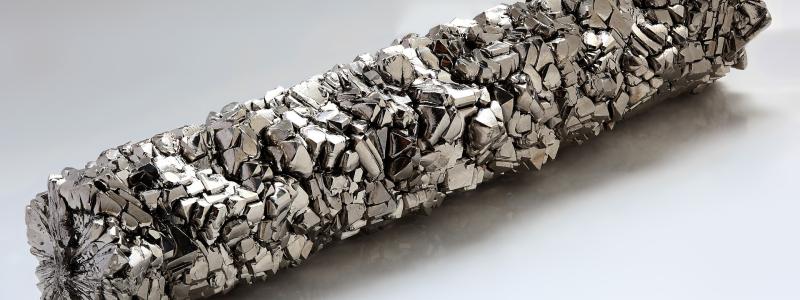
Finnish stainless steel producer Outokumpu is developing a new technology that could significantly increase the value of the European Union’s only chromium mine. Internally known as “Project Moon,” the initiative aims to produce very high-purity chromium from ore mined in Kemi, northern Finland.
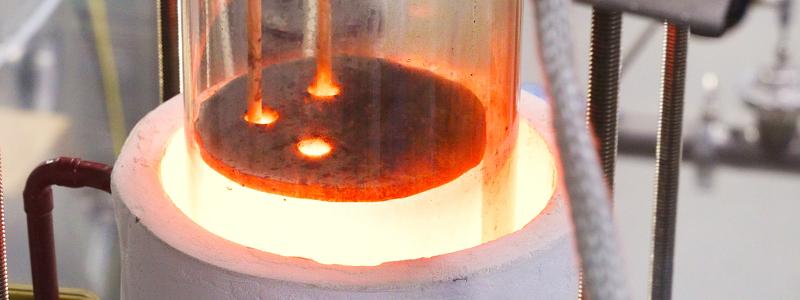
According to published reports, the technology has been refined in a laboratory in Boston, in the United States. If successfully scaled to industrial production, Outokumpu could move further up the value chain – supplying not only ferrochrome for stainless steel, but also ultra-pure chromium for advanced industrial applications.
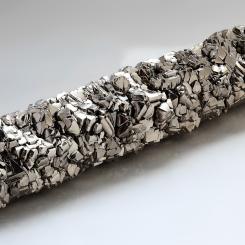
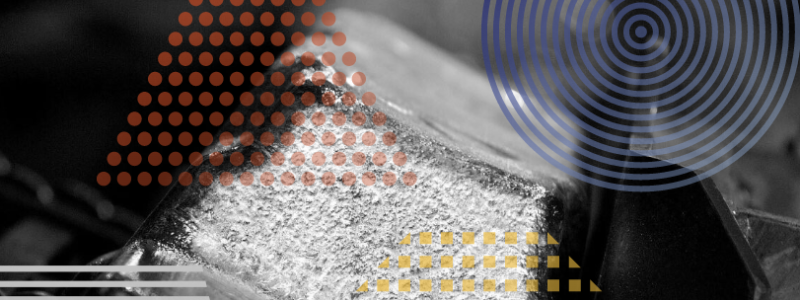
High-purity chromium in this context means 99.95 per cent chromium, with ultra-low impurity levels of 0.05 per cent or less, suitable for high-precision commercial environments.
EU’s Only Chromium Mine
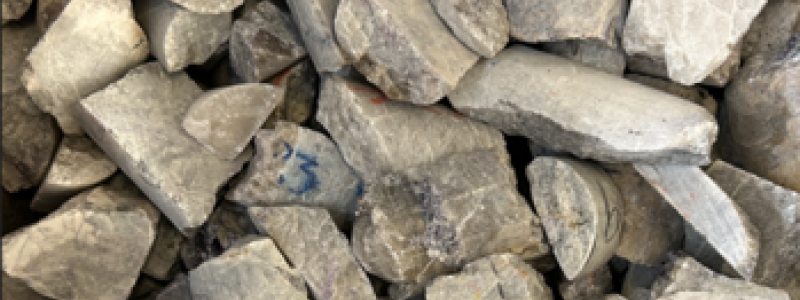
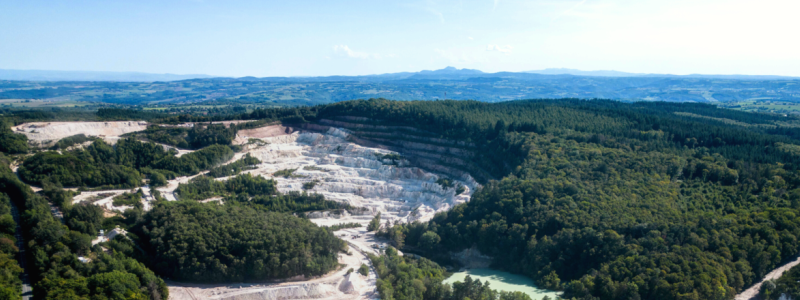
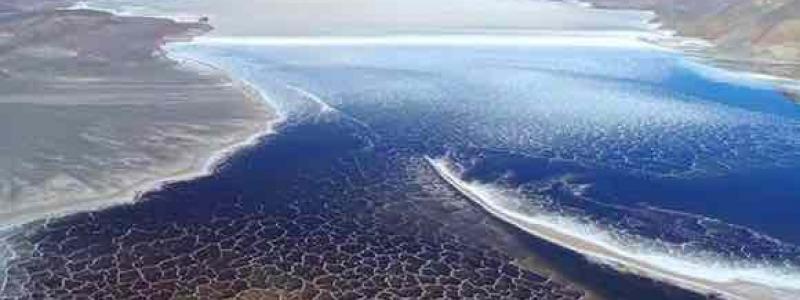
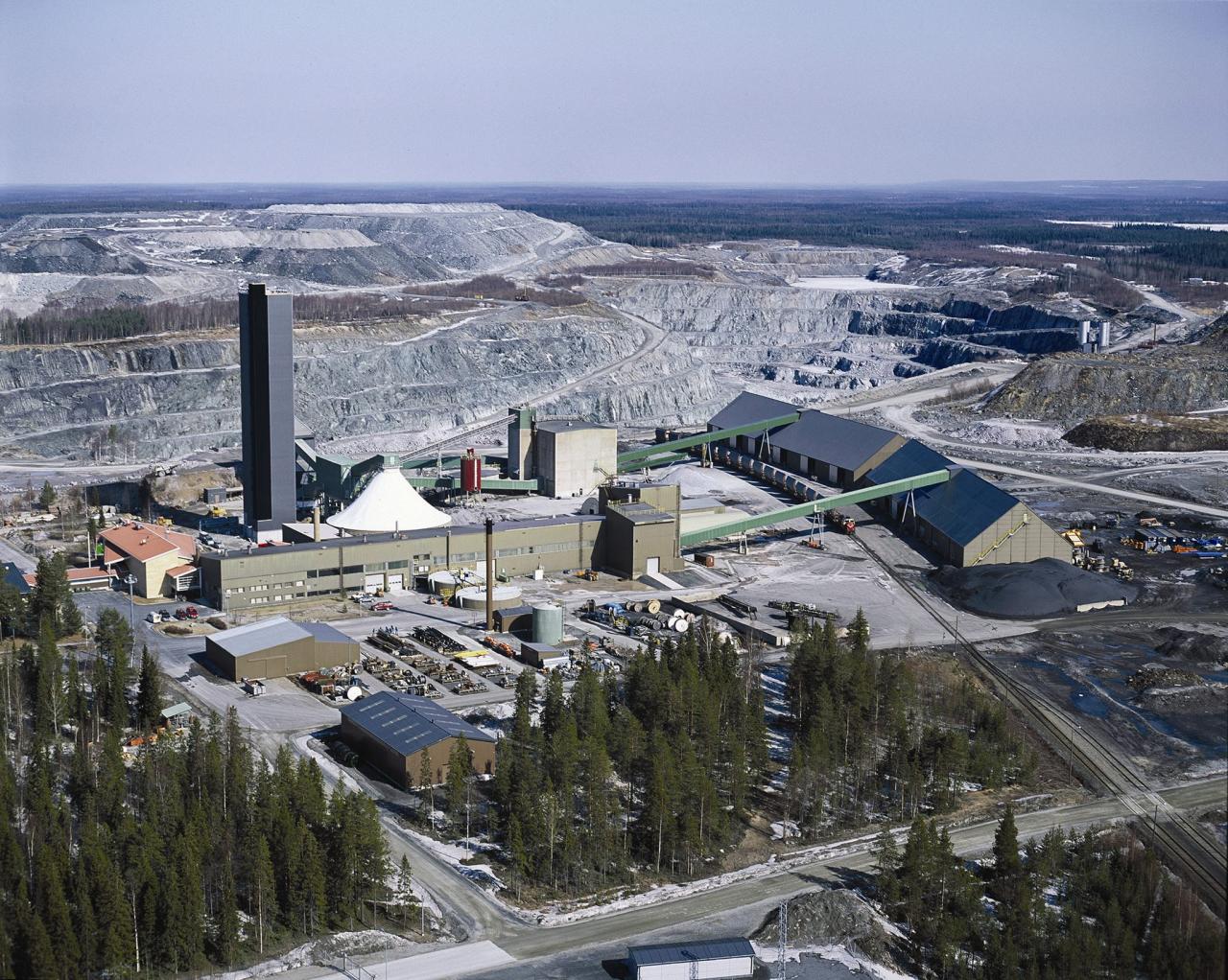
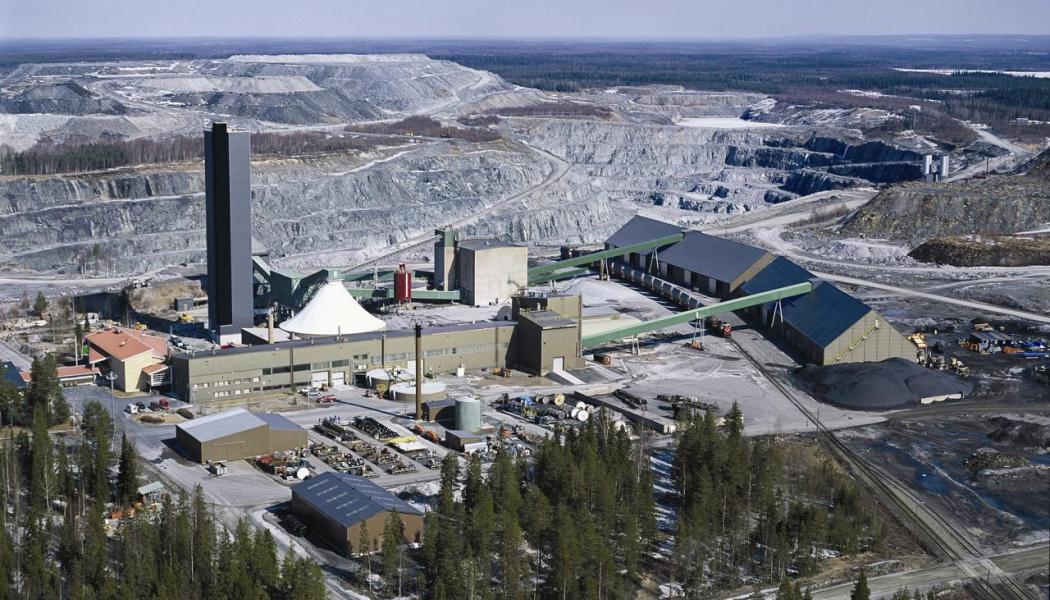
The Elijärvi mine in Kemi is the only chromium mine within the EU. The deposit is considered strategically important, particularly as Brussels seeks to reduce dependence on imported critical raw materials. Chromium is primarily used in stainless steel production, but also in special alloys, chemicals and certain electronics applications.
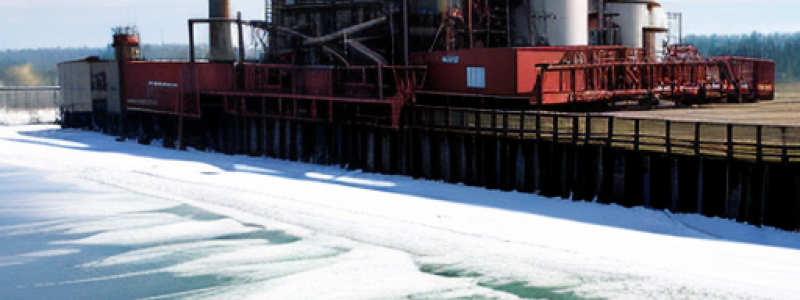
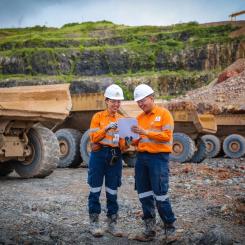
Open-pit mining at Elijärvi ended in the early 2000s. Today, operations take place in an underground mine extending to depths of about 1,000 metres. In winter, when temperatures can approach minus 30 degrees Celsius, steam rising from the shaft entrance is visible against the Arctic sky.
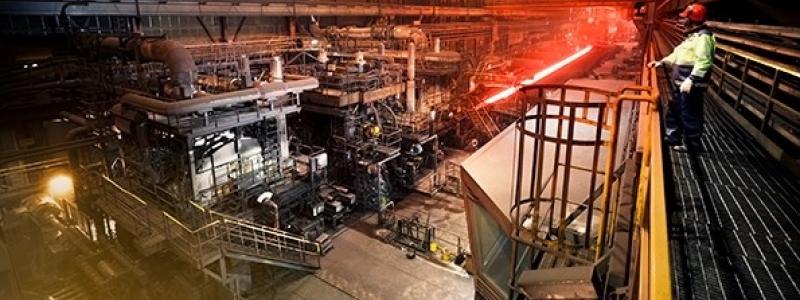
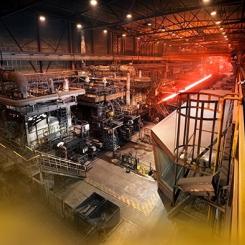
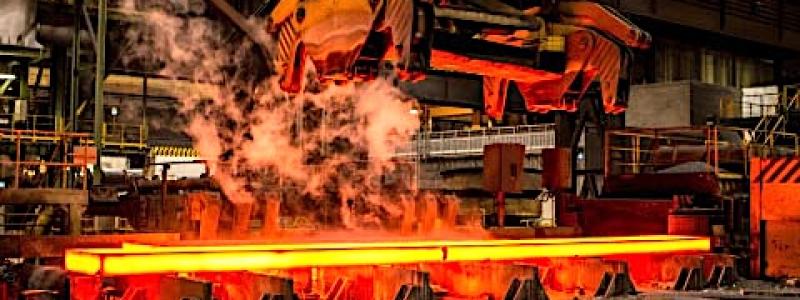
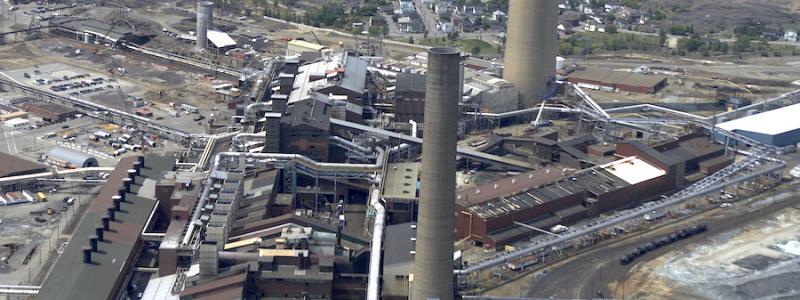
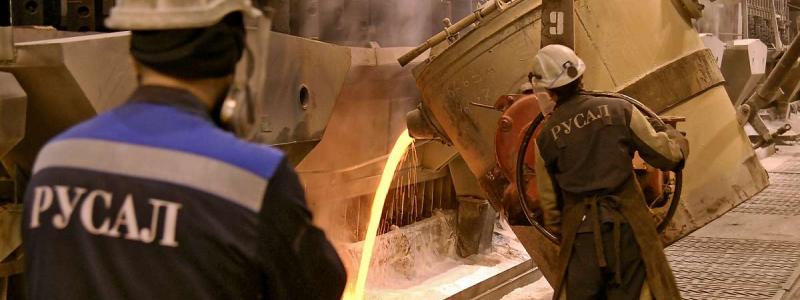
Ore from Kemi is transported to Tornio, where Outokumpu operates one of the world’s largest integrated production clusters for stainless steel and ferrochrome. By controlling the entire chain from mine to finished product, the company has long held a distinctive position in Europe’s steel sector.
“We Call This Project Moon”
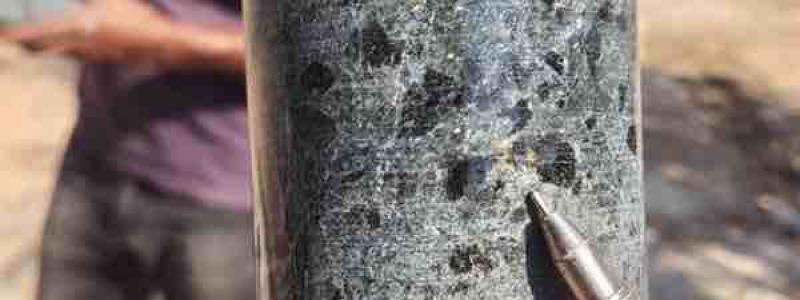
According to the company, Project Moon focuses on developing a method to extract very high levels of chromium directly from the ore. The exact technical details have not been disclosed.
– We call this Project Moon, the company is reported to have said about the initiative.
If the technology proves viable at an industrial scale, the value of the Kemi ore could increase substantially. Instead of selling only ferrochrome – an alloy of iron and chromium – Outokumpu could produce pure chromium with a significantly higher market price per tonne.
High-purity chromium is used in aerospace applications, advanced energy technologies and specialised high-tech environments where material tolerances are strict. Although the market is smaller than for bulk stainless steel, price levels are considerably higher.
Strategic Context and Open Questions
Chromium is classified as a critical raw material within the EU. Most global production is concentrated in South Africa and Kazakhstan. The presence of an EU-based deposit in Kemi therefore has both industrial and geopolitical relevance.
At the same time, the mining and metals industry remains highly sensitive to energy costs and economic cycles. Developing new extraction technologies involves significant capital expenditure and technical risk. Scaling a laboratory process into full industrial production is often complex and costly.
Outokumpu has, in recent years, implemented cost-cutting measures and focused on strengthening its balance sheet. A successful commercialisation of Project Moon could diversify revenue streams and reduce exposure to standard stainless steel cycles. However, the project remains in a development phase.
For Lapland and the city of Kemi, higher value-added production would mean more economic activity retained in the region. Whether the technology is technically and economically feasible on a large scale remains to be demonstrated.
Source: Business magazine Kauppalehti.